
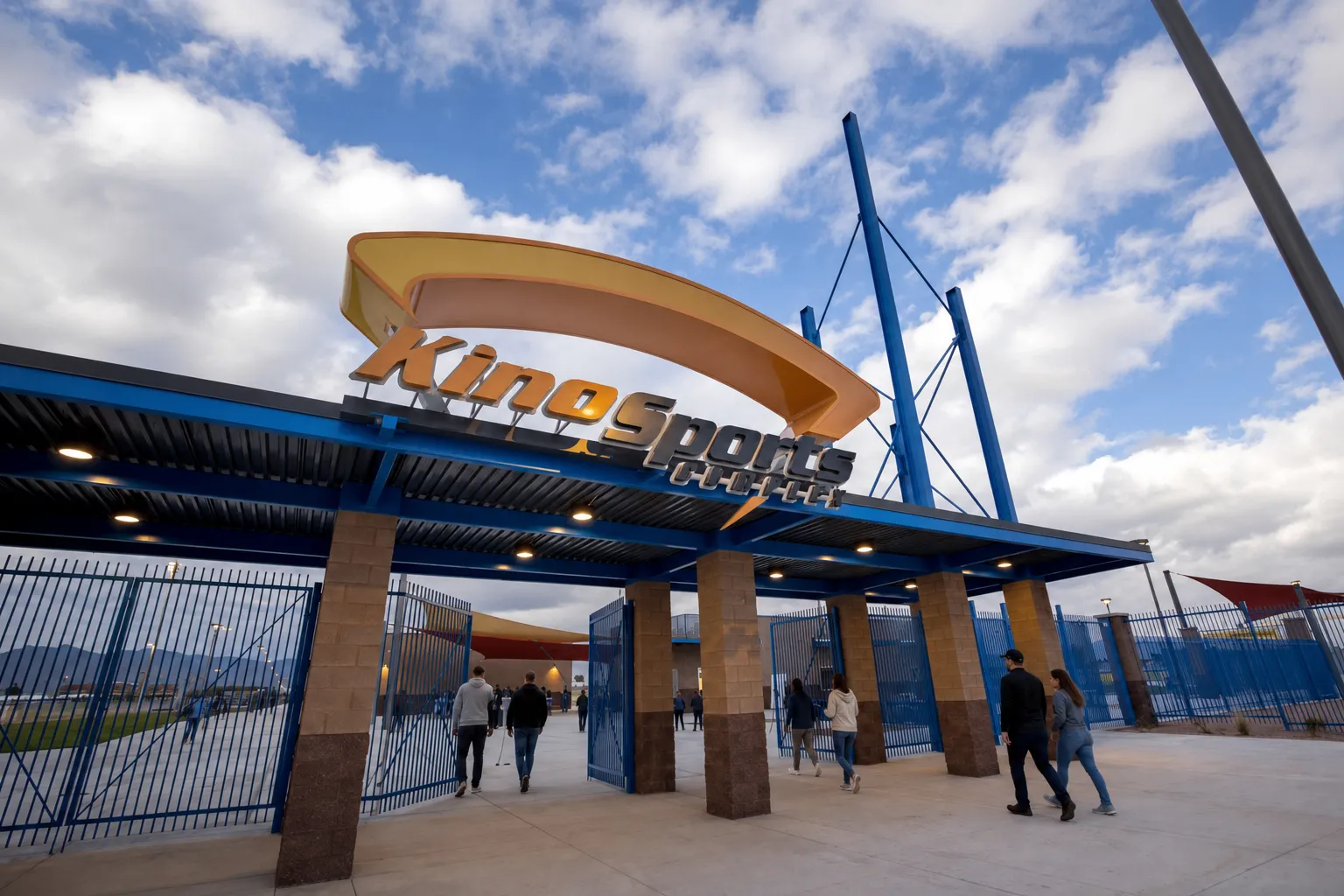
Roofs in the Kino Sports Complex Neighborhood: Why Age Matters
The neighborhoods around Kino Sports Complex feature a mix of mid-century homes and newer subdivisions, including a notable number of houses built in the early 2000s. As a roofing contractor working this part of Tucson, we’re out here often enough to know what happens when roofs from different eras start reaching the age where maintenance becomes urgent.
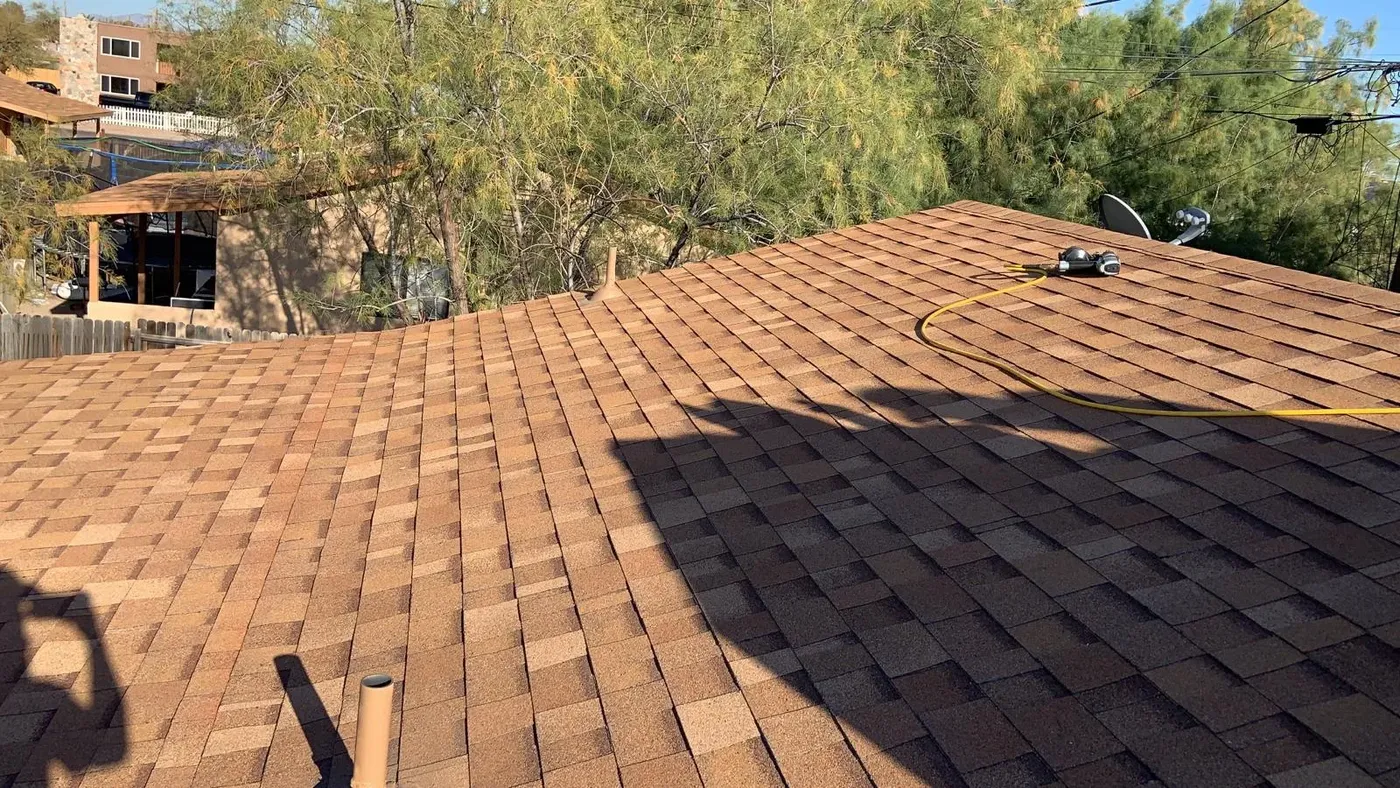
For homes built around 2004, the math is straightforward. A tile or shingle roof installed in 2004 is now hitting the 20-year mark, and Tucson sun is relentless on underlayment. The tile or shingles on top can still look fine from the ground while the felt paper underneath has spent two decades baking in the heat. Once that underlayment starts breaking down, there’s nothing left to stop water from getting into the house even though the roof appears to be in decent shape from the driveway.
Most of the homes near the complex are owner-occupied single-family properties, and many still have their original owners. So when we get up on a roof, we’re often the first roofer to take a close look at a roof that’s never caused trouble before. What we tend to find is chalky or discolored tile, a worn ridge cap, or valleys that are starting to show their age — small signs that the roof is nearing the end of its useful life even without an active leak.
Evaporative coolers are common on homes from this era, and the roof jack where the cooler penetrates the roof is one of the first things to fail after 20 years of heat, cold, and monsoon rain. A cracked or worn boot seal there is usually the first repair needed on a roof that’s otherwise reaching the point where more problems are coming.
Not every roof near the complex needs a full replacement right now. Many roofs still have several good years left in them with the right repair. But once the underlayment is compromised and the flashing is failing in multiple spots, patching it just means doing the same repair again six months later. When that’s the case, a reroof in matching tile or shingle with new underlayment and flashing is the straightforward fix, and it should last as long as the original installation did.
Getting Between Kino Sports Complex and Our Shop
Our office is close by on Valencia Road at 227 E Valencia Rd, Unit YD3, so a call from the Kino area barely feels like a trip for us.
- Head south on Kino Parkway from the sports complex area.
- Merge onto the frontage road toward Ajo Way and I-10.
- Take the Valencia Road exit and head east.
- Look for 227 E Valencia Rd, Unit YD3, on the left. No turns needed once you’re on Valencia.
That drive takes under fifteen minutes most of the year. During monsoon season, when water backs up along the lower stretch of Kino Parkway, we build in extra time. Same goes for tournament weekends, when the parking lots fill and buses are loading teams in and out. We’d rather plan around that than run late to an inspection or estimate.
We know this area well because we’re in it often. A notable number of the homes near Kino Sports Complex were built in the early 2000s, which means the sealant, flashing, and tile on those roofs are reaching the point where they need a close look. When someone from this neighborhood calls, we already have a good idea of what we’re going to find.
It’s either David or one of the regular DC Roofing of Arizona crew who comes out, never a subcontractor from across town. The person giving you the estimate is the same person who knows this road and this stretch of houses.
Roofing in the Kino Sports Complex Neighborhood
On a Saturday morning near the complex, you’ll see families unloading at the soccer fields and parking lots filling up for whatever tournament is happening that weekend. The neighborhoods around the complex are a real mix — you’ll find brick and stucco ranch homes from the 1950s and 1970s sitting alongside newer subdivisions that extend up through the 2020s. According to the University of Arizona’s housing inventory analysis, about one in five homes in the Tucson area were built between 2000 and 2009, making early-2000s construction a significant part of the local housing stock but not the whole story. It’s the kind of area where mid-century houses and newer construction coexist.
Because the housing is layered across different eras, the roofing issues vary. We’re not always looking at a roof that’s been patched five times over 40 years, but we’re also not dealing with uniformly young roofing either. On homes built in the early 2000s, it’s often a tile or shingle system nearing its first major failure, underlayment breaking down after two decades of Arizona heat, or vent flashing that’s overdue for attention. On older mid-century builds, we see different wear patterns but similar urgency — age catches up to every roof eventually.
Single-family detached homes make up most of the neighborhood, and that shapes what we typically encounter:
- Concrete and clay tile roofs on homes built from the 1950s through the 2000s
- Asphalt shingle roofs on some of the smaller single-story homes and newer infill
- Evaporative cooler penetrations, a frequent source of slow leaks across all eras
- Low-slope sections over garages and patio extensions
- Flashing at chimneys and valleys, stressed by every monsoon season and thermal cycling
We recently worked on a house a few streets from the complex, not far off Ajo Way, where a family had been dealing with a slow leak for months. The tiles looked fine, but the actual problem was a cracked pipe boot at an old evaporative cooler penetration. Water had been getting into the attic since the previous monsoon season, and by the time we found it, the damage under the ceiling was worse than they expected. What started as a small repair turned into a bigger one, mostly because it went unnoticed for a full season.
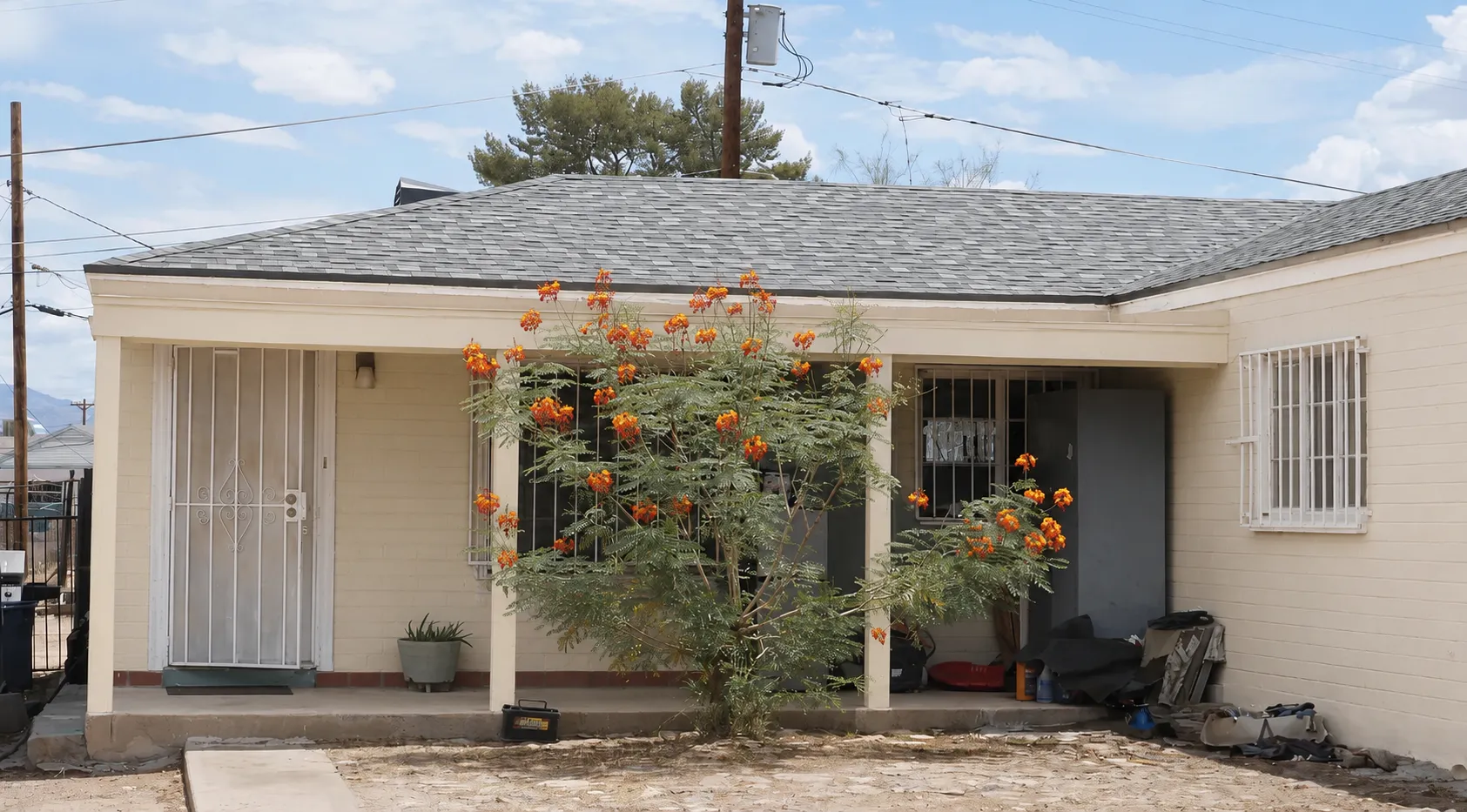
We’re out in this neighborhood enough to know which streets flood first during a monsoon and which roofs tend to show their age sooner than others. Whether you’ve owned your home near Kino Sports Complex since it was built or you’re newer to the neighborhood, the question is usually the same: is this a small problem, or a sign the roof is done? That’s exactly what we’re there to tell you.