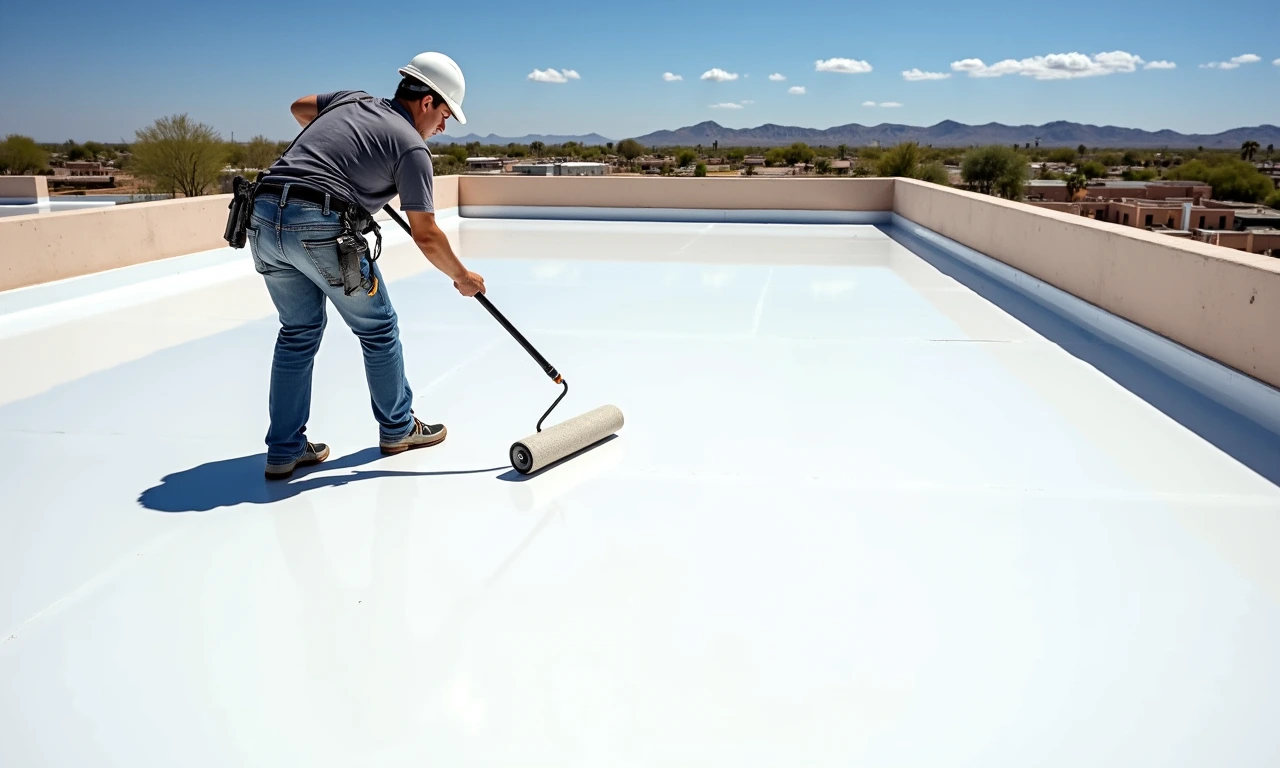
Expert Roof Coating for Tucson & Southern Arizona
David Contreras, owner of DC Roofing of Arizona, has been applying and restoring roof coatings on flat and low-slope roofs in Tucson since 2011. He founded DC Roofing of Arizona in 2020 with one principle: do the prep work right, use the right product for the substrate, and never coat over a problem. With over 800 roofs across Southern Arizona, we know exactly what Tucson's climate does to a roof coating - and exactly how to make the next one last.
Watch: DC Roofing of Arizona in Action
Signs Your Flat Roof Is Ready for a New Coating
Most people don't climb up on their roof every weekend. So the signs tend to show up inside first - a water stain on the ceiling, a soft spot near the edge of a room, an energy bill that jumped for no clear reason. In Tucson, when someone calls us about a flat roof leak, the coating has often been failing for months.
Here's what to look for if you can safely get up there or if you're having us out for a roof inspection:
- Visible cracking, flaking, or peeling across the existing coating surface
- Bare spots where the coating has worn away completely, exposing the membrane underneath
- Ponding water that sits for more than 48 hours after rain
- A chalky white residue on your hands when you touch the surface
- Blistering or bubbling, especially on south-facing sections that take the worst UV hit
That chalky texture is a big one. It means the coating's reflective layer is breaking down and your roof is absorbing heat instead of bouncing it back. We see this constantly on older flat roofs near Armory Park. Thermal cycling does real damage here too - Tucson roofs can hit 160 degrees in the afternoon and drop 40 or 50 degrees overnight. That expansion and contraction pulls coatings apart over time, especially around penetrations like evaporative cooler mounts and vent pipes.
Not every crack means you need a full recoat. Sometimes a targeted flat roof repair handles it. David comes out, walks the surface, checks the membrane condition underneath, and gives you a straight answer.
Why Tucson's Climate Shortens Roof Coating Lifespan
Your roof coating doesn't fail because it was bad. It fails because Tucson is brutal on roofing materials. Here's what's working against your coating every day:
- Extreme UV exposure. Tucson gets over 300 days of sunshine a year. That constant ultraviolet bombardment breaks down the polymers in roof coatings faster than almost anywhere else in the country.
- Surface temperatures above 160°F. Your roof surface in July isn't just hot - it's cooking. That heat accelerates chemical breakdown in the coating layer.
- Thermal cycling. A 40-degree temperature swing between afternoon and early morning isn't unusual here. That daily expansion and contraction stresses the coating film, creating micro-cracks over time.
- Monsoon season. From June through September, driving rain and wind-blown debris hit a surface that's already been weakened by months of sun. Water finds every tiny crack the heat created.
According to the National Roofing Contractors Association, climate is the biggest factor in how long any roof system performs. Tucson's mix of UV, heat, and monsoon moisture is about as tough as it gets. To understand how different coating materials hold up under these conditions, it helps to learn about roof coating types and what each one is designed to withstand.
Silicone vs. Elastomeric vs. Acrylic - Which Is Right for Your Roof?
Silicone coatings are the top choice for most Tucson flat roofs. Silicone is highly UV-resistant, maintains flexibility across extreme temperature ranges, and performs well in ponding water situations - critical during monsoon season. Elastomeric coatings are a cost-effective option for low-slope roofs with minimal ponding. They expand and contract with temperature cycles, but degrade faster in standing water. Acrylic coatings are the most budget-friendly and work well for roofs with consistent drainage and moderate sun exposure - not recommended where ponding is an issue.
Not sure which coating fits your situation? A roof inspection is the right starting point - we'll assess the existing membrane condition and recommend what fits your roof's actual needs.
Substrate Condition and Drainage: What Must Be Checked Before Coating
Roof coating won't fix a bad foundation. If the surface underneath isn't right, the coating peels, bubbles, or fails early. Before any material goes on, we check everything. The substrate - whether it's a flat modified bitumen roof on a midtown commercial building or a foam roof on a home near Barrio Viejo - has to be clean, dry, and structurally sound. We're looking for:
- Cracks, blisters, or splits in the existing membrane
- Soft or spongy spots that signal trapped moisture underneath
- Areas where old coatings are flaking or delaminating
- Rust on metal flashings or fasteners
- Debris buildup around penetrations like evaporative cooler mounts
Drainage is the other half of this inspection - and the part most contractors skip. A roof coating is waterproof, but it's not meant to sit under standing water for days. We check every drain, scupper, and gutter line. Even a slight low spot can hold water after monsoon rains, breaking down the coating from the inside out. If we find ponding areas, we address them before coating - sometimes that means adding a cricket or clearing a clogged internal drain.
We also moisture-test flat roofs using infrared scans or core samples when needed. Wet insulation beneath the membrane is a deal-breaker. Coating over trapped moisture locks it in and speeds up rot. According to the National Roofing Contractors Association, moisture testing before any coating application is a recommended best practice for low-slope roofs.
Booking Before Monsoon Season: Timing Your Roof Coating Right
Every year we get a rush of calls in late June. Homeowners notice a soft spot or a ceiling stain right as the first storm rolls through. By then, we're already booked out. The best time to schedule roof coating in Tucson is February through early May - before the heat gets brutal and well ahead of monsoon season.
Roof coating needs dry conditions to cure properly. Most coatings require 24 to 48 hours without rain or heavy dew. Once Tucson's monsoon storms start in mid-June, you're gambling with the weather every day. Spring also gives you the best surface temperatures - coating applies best when the surface is warm but not scorching. By July, flat roofs in Tucson can hit 160 degrees by midday, causing flash drying that keeps the coating from penetrating and bonding the way it should.
A smart timeline looks like this:
- Schedule your roof inspection in January or February
- Get any needed roof repair done by early March
- Book your coating application for March through May
- Let the coating fully cure before the first storms arrive
Planning ahead gives you options. Waiting until you see a leak gives you problems - and the contractors available last-minute in July aren't always the ones you want on your roof. David handles every estimate personally, licensed under ROC #328733, so you're talking to the person who's actually responsible for the work.
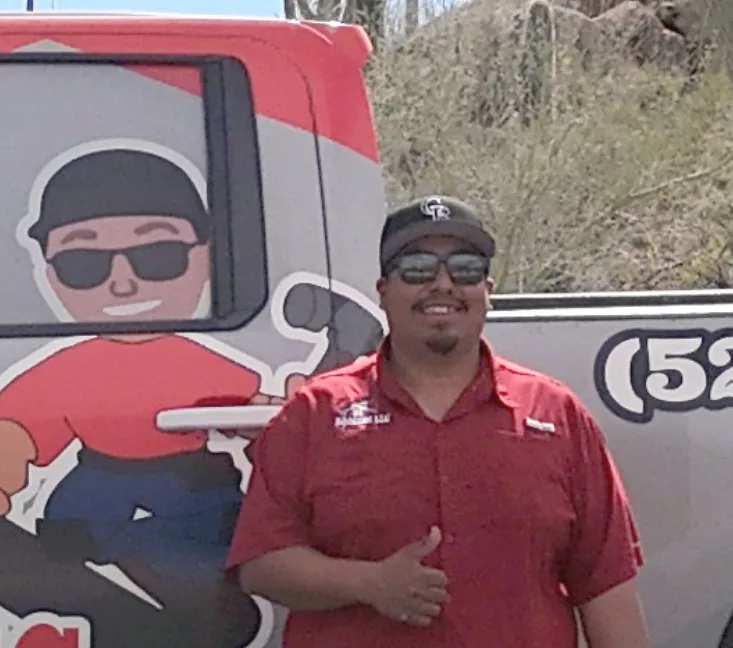
David Contreras, Owner & Founder - DC Roofing of Arizona · Licensed ROC #328733 · Tucson native since 1989
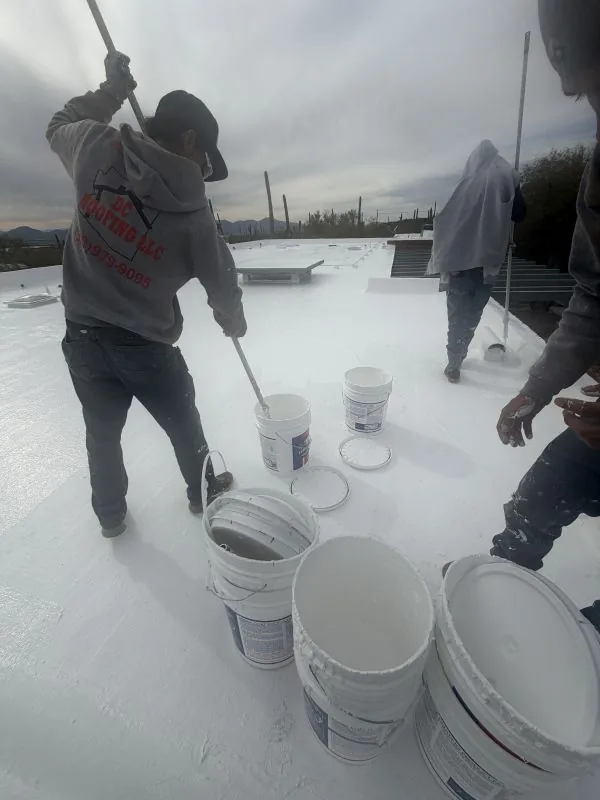
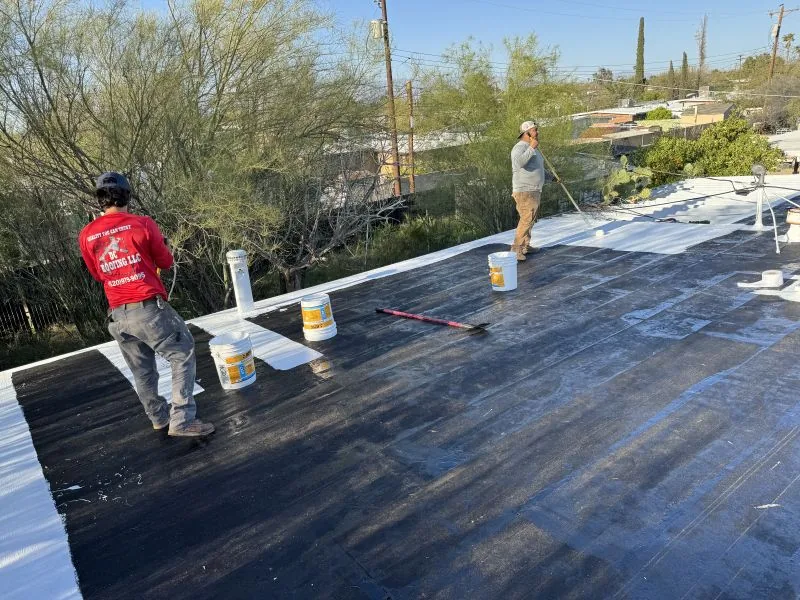
Roof Coating Projects Completed in Tucson
How Our Roof Coating Process Works
- 1
Roof Inspection and Honest Assessment
David comes out personally to check your roof's current condition - cracks, blistering, ponding water, failed seams around cooler penetrations. If your roof isn't a good candidate for coating, we tell you that straight up and recommend what actually makes sense.
- 2
Surface Prep and Cleaning
We pressure wash the entire surface to remove dirt, loose gravel, and debris. On older flat roofs around the Midvale Park area, we often find layers of dust baked on from years of Tucson sun. All of it has to come off or the coating won't bond correctly.
- 3
Repair Before Coating
Any cracks, open seams, or damaged flashing get fixed before a drop of coating goes down. We handle repair as part of the process because coating over a problem just hides it. On most jobs we find at least a couple of spots that need attention first.
- 4
Primer and Coating Application
A primer coat is applied where required by the substrate, then the coating goes on in even, measured passes at the right mil thickness. Too thin and it won't protect. Too thick in one spot and it pools. Our crews do this work across Tucson every week and know what proper coverage looks like.
- 5
Final Walkthrough, Cleanup & Warranty Registration
We inspect every square foot after application, confirm coverage rates, and register the manufacturer's warranty on your behalf. Then we clean up completely - protected landscaping, no mess left behind. You get a clear before-and-after record of what was done and why.
Ready to Get Started?
Fast response. Licensed ROC #328733. 4.9★ across 100+ Google reviews.
Roof Coating Services We Provide in Tucson and Southern Arizona
What Tucson Homeowners Gain from Choosing DC Roofing of Arizona
Roof Coating in Tucson, Oro Valley, Marana, Sahuarita, Green Valley, and Vail
DC Roofing of Arizona provides roof coating services throughout Southern Arizona, including:
Frequently Asked Questions About Roof Coating in Tucson
How long does a roof coating actually last on a flat roof in Tucson?
Most roof coatings in Tucson last four to six years before they need recoating. That's shorter than you'd see in cooler climates. Tucson's UV exposure, surface temperatures above 160°F, and monsoon season all break down coating materials faster. The chalky residue you feel when you touch the surface is a clear sign the reflective layer is spent. Regular inspections every two to three years help you catch it before water gets underneath.
Do I need to fix cracks and damage before getting a new roof coating?
Yes - coating over existing damage just hides the problem. Any open seams, failed flashing, or soft spots need to be repaired first. On most jobs we do across Tucson, we find at least a couple of spots that need attention before the coating goes on. Skipping repairs means water stays trapped under the new coating. We handle repairs as part of the process so the coating bonds to a solid, clean surface.
How do I know if my flat roof needs a full coating or just a spot repair?
Not every crack means you need a full recoat. If the damage is limited to a few areas - like around an evaporative cooler mount or a vent pipe - a targeted repair might buy you several more years. But if the coating is chalky, peeling in multiple spots, or showing blistering across south-facing sections, a full recoat makes more sense. The only way to know for sure is to have someone walk the surface and check the membrane underneath.
What does the roof coating process look like on the day of the job?
The job starts with a full inspection, then pressure washing to remove baked-on dust and debris - something we see a lot on older flat roofs around Tucson. After cleaning, we repair any cracks or open seams before primer goes down. Then the coating is applied in even passes at the right thickness. Most residential flat roofs take one to two days. We do a final walkthrough after application and clean up completely before we leave.
Does Tucson's monsoon season affect when I should schedule a roof coating?
Timing matters here. The best window for roof coating in Tucson is late spring - before monsoon season starts in June. The surface needs dry conditions to bond correctly. If your coating is already failing, don't wait until fall. Driving rain and wind-blown debris hit weakened coatings hard. Getting the work done before monsoon season means your roof is protected when the weather turns, not patched together after a leak shows up inside.
Will a new roof coating actually lower my energy bills?
It can, and in Tucson the difference is real. A fresh reflective coating bounces heat away instead of absorbing it. When the coating breaks down and turns chalky, your roof starts soaking up that heat instead - pushing your AC harder. Homeowners near the Catalina Foothills often notice a drop in cooling costs after a recoat. Studies show energy savings of 15–30% on cooling costs for buildings with reflective coatings in hot climates.
How much does roof coating cost in Tucson?
Roof coating costs in Tucson typically range from $1.50–$4.00 per square foot, depending on the product, number of coats, and surface preparation required. A 2,000 sq ft commercial flat roof might run $3,000–$8,000 fully completed. This compares very favorably to full replacement at $8–$15+ per square foot. DC Roofing of Arizona provides free estimates - call (520) 979-9095.
Can roof coating be applied over my existing flat roof membrane?
In most cases, yes - if the existing membrane (TPO, modified bitumen, foam, or built-up) is structurally sound and properly adhered. The key test is whether there is widespread adhesion failure, significant ponding water damage, or active leaks from membrane deterioration. We assess the existing surface before recommending coating. If the membrane is too far gone, replacement is the right answer; coating over a failing surface just delays the inevitable.