Expert Emergency Roofing for Tucson & Southern Arizona
David Contreras, owner of DC Roofing of Arizona, has been responding to roofing emergencies in Tucson since 2011. When you call about an active leak or storm damage, David personally answers the phone - not a dispatcher or call center. DC Roofing of Arizona (ROC #328733) provides fast-response emergency service throughout Tucson and Southern Arizona, and we know exactly what Tucson's climate does to roofs because we've been working in it for years.
Watch: DC Roofing of Arizona in Action
What Counts as a Roofing Emergency
Not every roof problem needs same-day attention. But some do. A true emergency roofing situation means something is actively threatening the inside of your house right now: water coming through your ceiling during a July monsoon, a large tree branch that's punched through your tiles, or a section of roof material that's peeled back and left the underlayment exposed to the next storm rolling in over the Catalinas. These aren't things that can wait two weeks for a regular appointment.
What we see most often in Tucson that qualifies as urgent: active leaks where water is dripping or pooling inside the home; storm damage that's displaced tiles, torn flashing, or created visible holes; fallen debris from trees or structures that's compromised the roof surface; flat roof ponding pushing water into seams after heavy rain; and swamp cooler penetrations suddenly letting water pour in around the boot seal. That last one we deal with constantly - evaporative cooler penetrations are everywhere on older homes in neighborhoods like Sam Hughes and Barrio Viejo, and the sealant around them breaks down fast under our UV exposure. One good monsoon downpour finds every weak spot.
What doesn't count as an emergency: a missing tile with no active leak, a small stain on your ceiling that's been there for months, minor granule loss on shingles. These need attention - but they're roof repair or roof inspection situations, not emergencies. When in doubt, call us and describe what you see. We'll help you figure out the right next step.
What to Do in the First 15 Minutes
You just heard something hit the roof. Or you walked into the kitchen and saw water dripping from the ceiling. Here's what actually matters right now: protect your people and your stuff, and do not climb on the roof. We see homeowners try this after every monsoon season in Tucson, and it only makes things worse. Wet tiles are slick, damaged decking can give way, and you can't fix anything up there in the dark anyway.
Instead, work from the inside: move furniture, electronics, and anything valuable away from the leak; put buckets or bins under active drips; lay towels or plastic sheeting on the floor around the wet area; if water is pooling near electrical outlets or fixtures, flip the breaker for that room; and take photos of the damage - ceiling, walls, floor, everything wet. That last step matters more than people realize. Homeowners forget to document before cleaning up, then fight with their adjuster over what actually happened. A few quick phone photos save you a real headache later.
Once you've contained what you can, call us. Not tomorrow. Now. The longer water sits, the deeper it goes - drywall soaks it up fast, and so does insulation. A small ceiling stain at 9 PM can turn into a sagging, moldy mess by morning. Skip the caulk and tape from the garage - DIY patches trap moisture and hide the real damage from the crew that comes out to do the repair properly.
How Emergency Roof Repairs Work on Flat and Tile Roofs
Tucson's two most common roof types fail differently in emergencies, and knowing the difference matters.
Tile Roofs
With tile, the problem is almost never the tile itself - it's what's underneath. Monsoon winds lift tiles, crack them, or shift them out of place. Water gets past the tile and hits the underlayment, and that's where the real damage starts. Our emergency approach: carefully remove the damaged or displaced tiles without cracking the surrounding ones (tile is brittle - this takes patience and skill), inspect the underlayment and deck for moisture damage or rot, seal or patch the exposed area with materials rated for Tucson's heat and UV, then reset existing tiles or install replacements that match the profile and color.
Flat Roofs
Flat roofs collect water instead of shedding it. When a membrane tears or a seam separates, you've got standing water pushing into your building fast. Evaporative cooler penetrations are a huge weak point on flat roofs here in Tucson - the sealant breaks down from thermal cycling and UV, and most people don't notice until water's coming through the ceiling. For flat roof emergencies, we clean the damaged area, dry it out, and apply a patch or emergency coating to stop water entry. We also check the drainage path - a clogged scupper or blocked drain caused the pooling in the first place. Both roof types need someone who understands how they fail in this specific climate. Licensed under ROC #328733, we treat every emergency repair like it's on our own house.
Storm Damage Documentation and Insurance Claims
Before you call us and before you call your insurance company, grab your phone and start taking pictures. Document water stains on ceilings, walls, or around light fixtures; broken or displaced tiles visible from ground level; debris on the roof or in the yard; standing water in areas that are normally dry; and any damage to gutters, fascia, or flashing you can see safely from the ground.
When our crew arrives for emergency roofing, we do our own documentation too - photographs of every angle of the damage, notes on the materials affected, and a report you can hand directly to your adjuster. Most standard homeowner's insurance covers sudden storm damage: a branch punching through your tiles or wind lifting a section of your flat roof membrane qualifies. Slow leaks from deferred maintenance usually don't. Save your receipts for any temporary supplies you buy - tarps, buckets, plastic sheeting - because your policy usually covers reasonable steps to prevent further damage, but only if you can prove you bought them.
Emergency service is about stopping the water and protecting the house. Once that's done, the permanent fix is storm damage roof repair: a full inspection of every surface the storm hit, then proper repairs to the tile, flashing, or membrane that let the water in.
Preventing the Next Emergency Before Monsoon Season Hits
Most emergency roofing calls we get during monsoon season didn't have to happen. The damage started weeks or months earlier as something small - a cracked tile, a dried-out sealant ring around a cooler penetration, flashing that pulled loose after years of thermal cycling. Then July rolls in, the sky opens up, and that small problem becomes water in your living room. We see this pattern every year across Tucson.
The best thing you can do is get a roof inspection before monsoon season starts. Late April through May is the sweet spot. That gives you time to fix whatever we find before the heavy rains hit in June. David comes out, walks the roof, takes photos, and tells you what your roof actually needs. If everything looks good, we'll tell you that too. But if something needs attention, you'll know exactly what it is and can plan the repair on your schedule instead of scrambling during a storm.
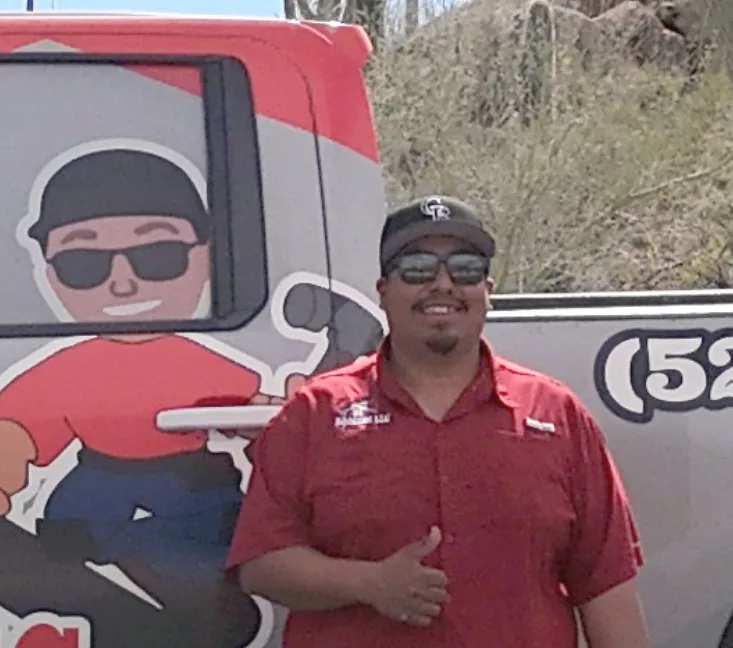
David Contreras, Owner & Founder - DC Roofing of Arizona · Licensed ROC #328733 · Tucson native since 1989
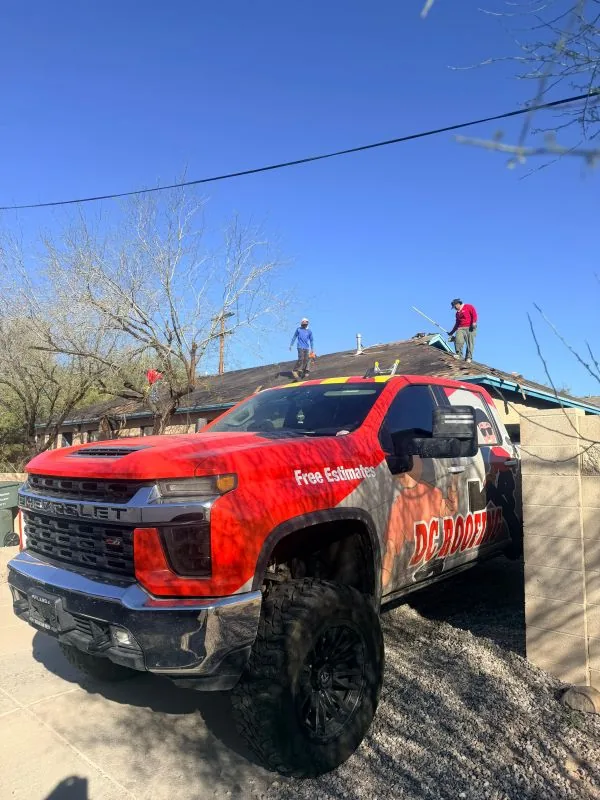
Emergency Roofing Projects Completed in Tucson
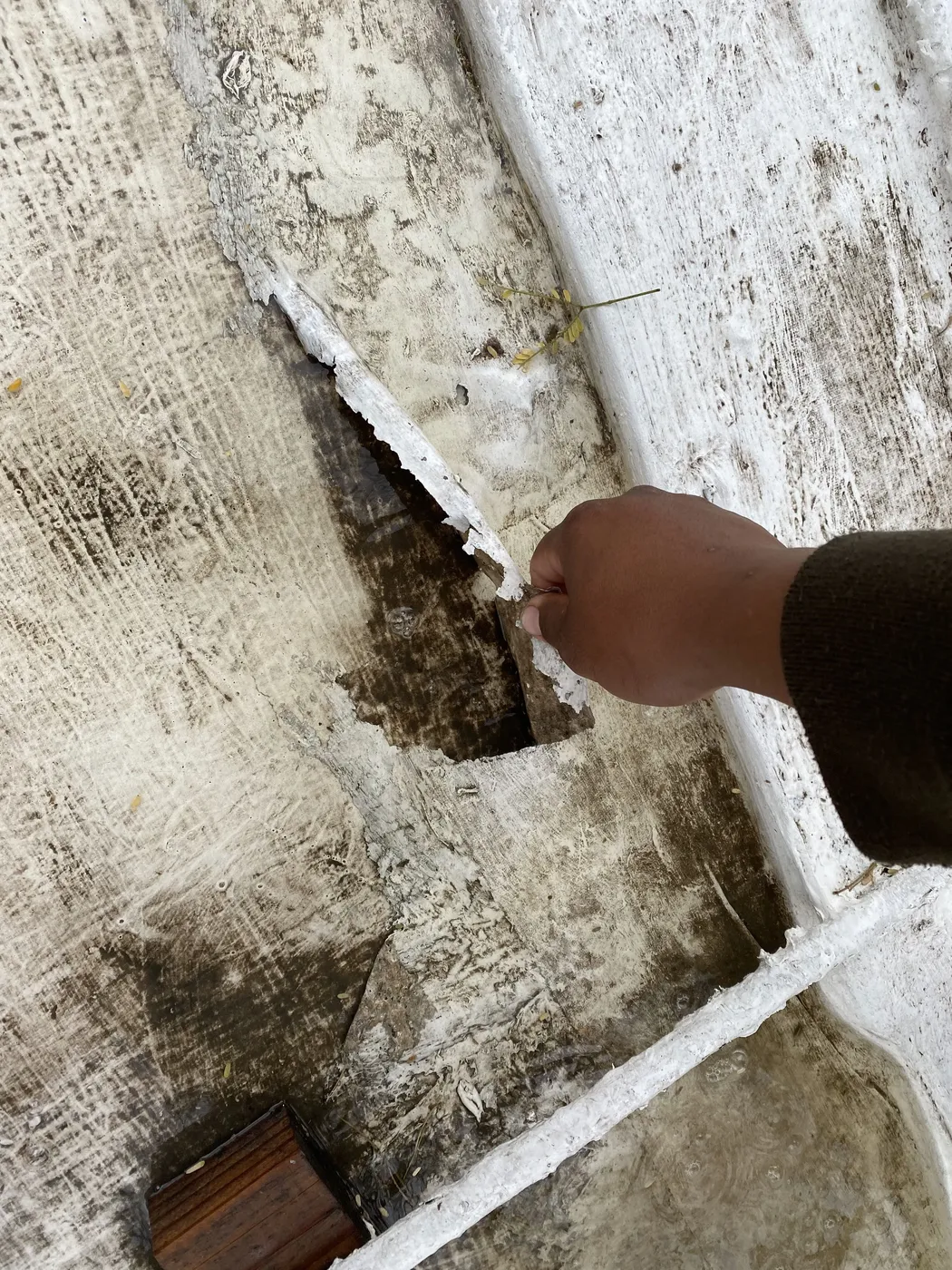
How Our Emergency Roofing Process Works
- 1
You Call - David Answers
David personally answers the phone, so you're not waiting on a callback from a call center. He'll ask a few quick questions about what you're seeing and can usually talk you through how urgent things really are before we even come out.
- 2
Quick Visual Assessment On Arrival
When we arrive, we start with a visual assessment of the roof and the damage inside your home. We want to see what you're seeing - the wet ceiling, the displaced tiles, whatever triggered the call. From there, we identify the source of the water entry and contain it first.
- 3
Emergency Tarping or Temporary Patch
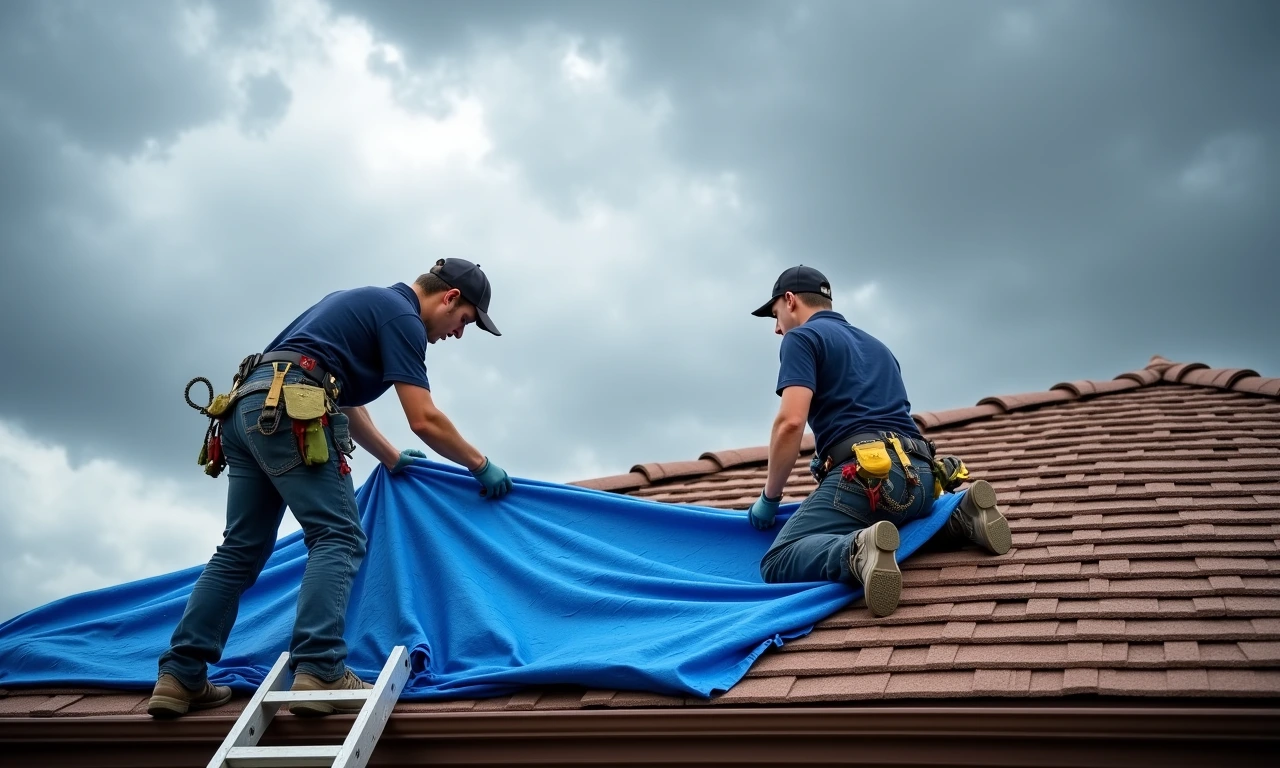
We install heavy-duty weatherproofing - tarps, roof cement, or membrane patches - to stop active water infiltration. We use commercial-grade tarps secured against Tucson's winds, not the lightweight plastic sheets that fail in the next storm.
- 4
Insurance Documentation
We photograph every angle of the damage and put together a report you can hand directly to your adjuster. We can also be present during the adjuster's visit. No inflated claims - we document accurately, which is what serves your claim best.
- 5
Permanent Repair Scheduled
Once temporary measures are in place, we scope the permanent repair work, provide a written estimate, and schedule the full repair on a priority basis. The same people who handled your emergency see the job through to completion.
Ready to Get Started?
Fast response. Licensed ROC #328733. 4.9★ across 100+ Google reviews.
Emergency Roofing Services We Provide in Tucson and Southern Arizona
What Tucson Homeowners Gain from Choosing DC Roofing of Arizona
Emergency Roofing in Tucson, Oro Valley, Marana, Sahuarita, Green Valley, and Vail
DC Roofing of Arizona provides emergency roofing services throughout Southern Arizona, including:
Frequently Asked Questions About Emergency Roofing in Tucson
How fast can you get to my house after I call about a roof emergency in Tucson?
We typically respond to emergency roofing calls in Tucson within a few hours, not days. David personally answers the phone, so you're not waiting on a callback from a call center. During monsoon season, call volume spikes fast - especially after a big storm rolls through. If you call early, we can usually reach you the same day. The sooner you call, the better your chances of stopping water damage before it spreads into your drywall and insulation.
What should I expect when your crew arrives for an emergency roof repair?
When we arrive, we start with a quick visual assessment of the roof and the damage inside your home. We want to see what you're seeing - the wet ceiling, the displaced tiles, whatever triggered the call. From there, we identify the source of the water entry and contain it first. We'll walk you through what we find before we do anything. No surprises. We also document the damage with photos, which helps if you're filing an insurance claim.
Why do swamp cooler penetrations cause so many roof leaks in Tucson?
Evaporative coolers are on almost every older home in Tucson, and the sealant around their roof penetrations breaks down fast. Our UV exposure and heat cause the boot seal to crack and shrink over time. When monsoon rain hits, water follows that gap straight through the roof deck. We see this constantly in neighborhoods like Sam Hughes and Barrio Viejo. If your cooler is more than a few years old and you haven't had the penetration resealed, one hard storm can turn that into an active leak.
Does homeowners insurance cover emergency roof repairs from monsoon damage in Tucson?
Most standard homeowners insurance policies do cover sudden storm damage, including monsoon-related roof damage. The key word is sudden - a branch punching through your tiles or wind lifting a section of your flat roof membrane qualifies. Slow leaks from deferred maintenance usually don't. Take photos of everything before you clean up or move anything. Your adjuster will want to see the condition of the roof and the interior damage right after the storm, not after you've already started patching things.
Is a missing tile actually a roofing emergency, or can it wait?
A missing tile is not always an emergency - it depends on what's underneath and whether rain is coming. If the underlayment is intact and no water is actively getting in, you may have a short window to schedule a regular repair. But if the tile is gone and the felt or deck beneath it is exposed, and Tucson's forecast shows afternoon monsoon storms, that's urgent. Don't wait. Exposed underlayment can fail fast under direct sun and rain. When in doubt, call and describe what you see - we can help you decide.
Can I use caulk or tape from the garage to temporarily stop a roof leak?
Skip the caulk and tape - they almost always make things worse. DIY patches trap moisture under the surface, which hides the real damage from the crew that comes out to do the repair properly. We've pulled back temporary fixes on Tucson roofs and found rot and mold that started under a homeowner's patch job. The better move is to contain the water inside with buckets and plastic sheeting, document the damage with photos, and call us. A proper emergency tarp or patch from a professional stops water without creating a bigger problem underneath.