Expert Flat Roof Solutions for Tucson & Southern Arizona
David Contreras, owner of DC Roofing of Arizona, has been repairing flat roofs in Tucson since 2011. You call, David picks up - not a dispatcher, not a sales office. That first conversation tells us a lot about what we're walking into. DC Roofing of Arizona (ROC #328733) has completed over 800 roofs across Tucson, and a good number of those are flat roofs on older homes near Sam Hughes and commercial buildings throughout midtown.
Watch: DC Roofing of Arizona in Action
Signs Your Flat Roof Is Telling You It Needs Attention
Most people don't climb up on their roof every weekend. But flat roofs in Tucson have a way of sending signals before things get really bad. The most common call we get starts the same way: someone notices a brown stain on their ceiling, maybe near a wall or around a light fixture. That stain didn't show up overnight. Water has been sitting on or moving through your roof membrane for a while before it reaches the drywall. By the time you see it inside, the repair you need is already overdue.
Here are the signs to watch for: water stains or bubbling paint on interior ceilings and walls; pooling water that stays on the roof more than 48 hours after rain; visible cracks, blisters, or splits in the roof membrane; soft or spongy spots when you walk on the surface; and flashing pulling away from walls, parapets, or around evaporative cooler penetrations. That last one we see every week - Tucson homes, especially older properties near Sam Hughes and the university area, rely heavily on swamp coolers. The roof penetrations around those units take a beating from UV and thermal cycling. Sealant dries out, flashing lifts, and water finds its way in during monsoon season.
Ponding water is another big one. A little puddle after a storm is normal. But if water's still sitting there two days later, your drainage isn't working right - standing water speeds up membrane breakdown and adds weight your roof structure wasn't designed to carry long-term. And here's something people miss: a musty smell inside your building can mean moisture is trapped between the membrane and the deck. No visible stain yet. No drip. Just that damp smell that won't go away.
Why Tucson's Climate Makes Flat Roof Prep Non-Negotiable
Most flat roof failures we see in Tucson didn't start with bad materials. They started with bad prep. From October through May, you've got bone-dry conditions and relentless UV exposure. Surface temperatures on a flat roof can hit 170°F on a July afternoon. That kind of heat breaks down coatings, dries out sealants, and causes the substrate to expand. Then nighttime drops the temperature 30 or 40 degrees. That thermal cycling happens hundreds of times a year, pulling at every seam, every flashing edge, every patch that wasn't bonded right.
Then monsoon season hits. June through September brings wind-driven rain that finds every weak point. A flat roof relies completely on slope-to-drain design and sealed surfaces. If prep work before a repair was sloppy - old membrane not cleaned properly, adhesion points not primed - that repair won't hold through its first monsoon. We see this every week during storm season, especially on older buildings near the Armory Park and Barrio Viejo neighborhoods where flat roofs are the standard.
Proper prep for flat roof work in Tucson means accounting for UV degradation that makes existing coatings chalky and unbondable without mechanical cleaning; dust and caliche residue that blocks adhesion if surfaces aren't prepped down to clean substrate; evaporative cooler penetrations that shift seasonally and need flexible, heat-rated sealing; and ponding areas where even a quarter-inch of standing water speeds up membrane breakdown. David grew up here. He built DC Roofing around what Tucson's climate actually does to roofs, not what a textbook says should work.
How Flat Roof Repair Gets Done
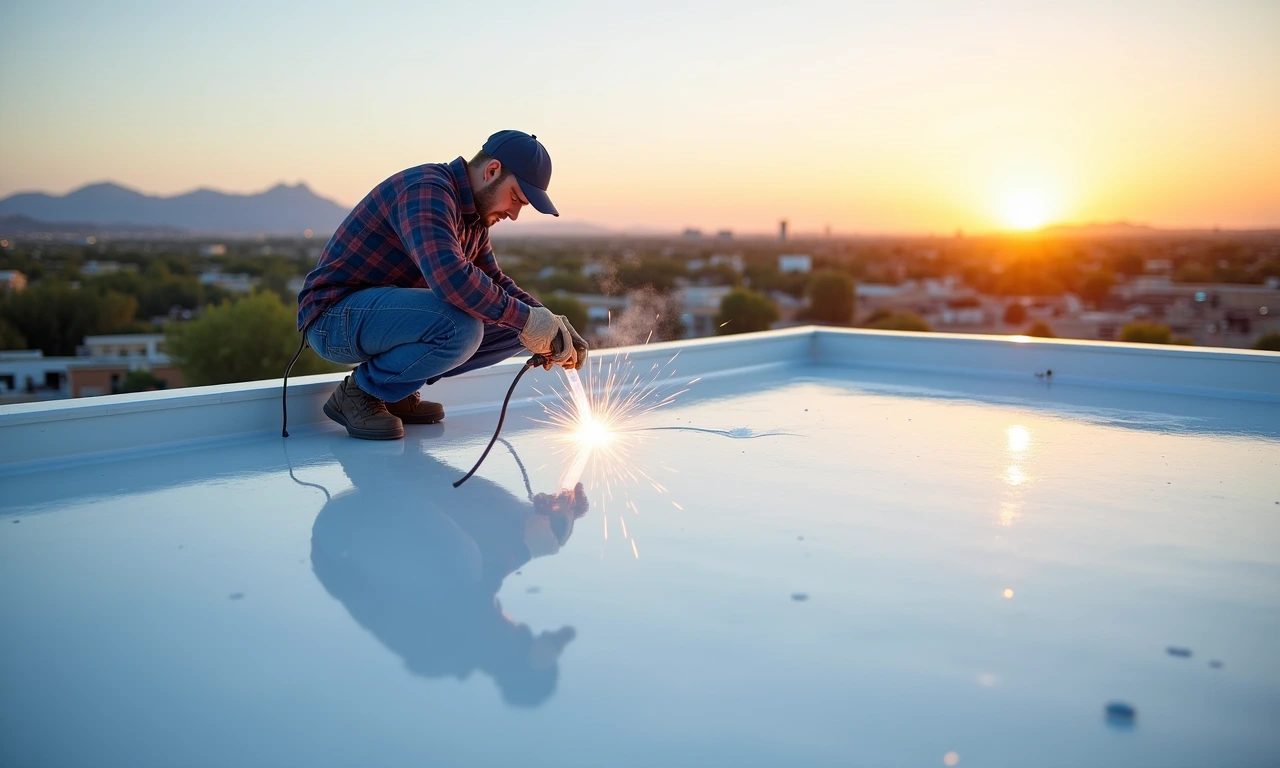
Here's how the process works once we're on it. We get on the roof and check every inch of membrane, every seam, every penetration point - evaporative cooler boots, drain collars, flashing around HVAC curbs. In Tucson, those cooler penetrations cause more flat roof leaks than anything else. We take photos and show you exactly what's failing. If it's a simple seal repair, we tell you that - we don't push a full roof coating when a targeted fix handles the problem.
Then prep work: we clean the area down to bare substrate where needed. Old caulk, loose gravel, failed patches - all of it comes off. You can't bond new material to a dirty surface, and it just won't hold through a Tucson summer. Then the repair itself: membrane patches, reinforced flashing, resealed seams - whatever the inspection called for, nothing extra. Finally, cleanup and walkthrough: we clear every scrap of debris off your roof and property, then walk you through what we did, where we did it, and what to watch for going forward.
The whole thing is straightforward - no mystery, no weeks of waiting. We've done over 800 roofs across Tucson and we're fully insured. If a repair is all you need, that's what we recommend. If the damage is extensive enough that a full inspection points toward membrane replacement, we'll tell you that honestly too.
The Pre-Monsoon Window: When to Schedule Flat Roof Repair
March through May - that's the sweet spot. Once June rolls around, you're looking at afternoon storms that dump an inch of rain in twenty minutes. A flat roof with even a small crack or blister can't handle that. Water pools, it finds every weak point, and by the time you notice a stain on your ceiling, the damage has been building for days.
Spring in Tucson gives us long stretches of clear skies, which means we can properly prep surfaces, apply coatings, and let everything cure the way it should. Flat roof materials need specific conditions to bond and seal correctly - moisture on the surface kills adhesion. Rushing a repair between monsoon storms is doable, but the results are never as clean. Roofing crews across Tucson also get slammed with emergency calls once the storms start in late June, especially in flat-roof-heavy neighborhoods like Barrio Viejo and areas south of downtown. If you wait until you have an active leak, you're competing with every other homeowner who also waited.
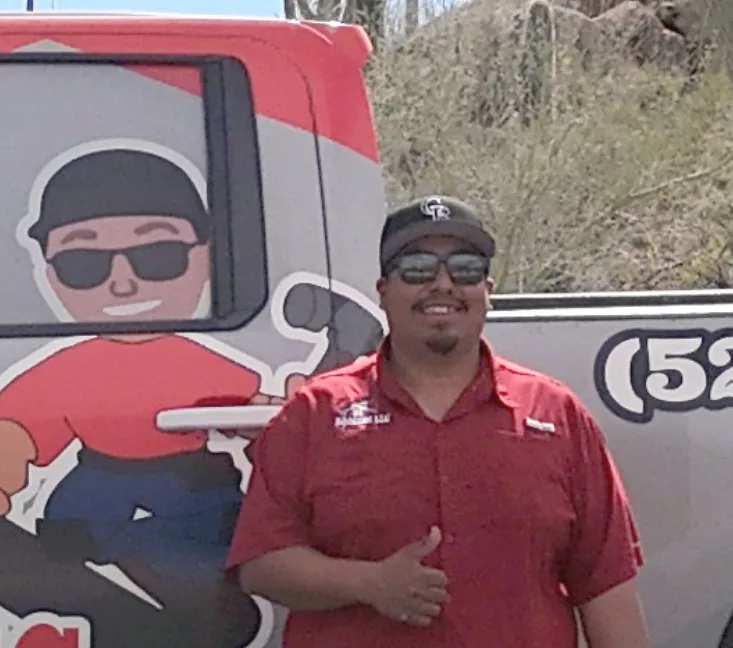
David Contreras, Owner & Founder - DC Roofing of Arizona · Licensed ROC #328733 · Tucson native since 1989
Flat Roof Solutions Projects Completed in Tucson
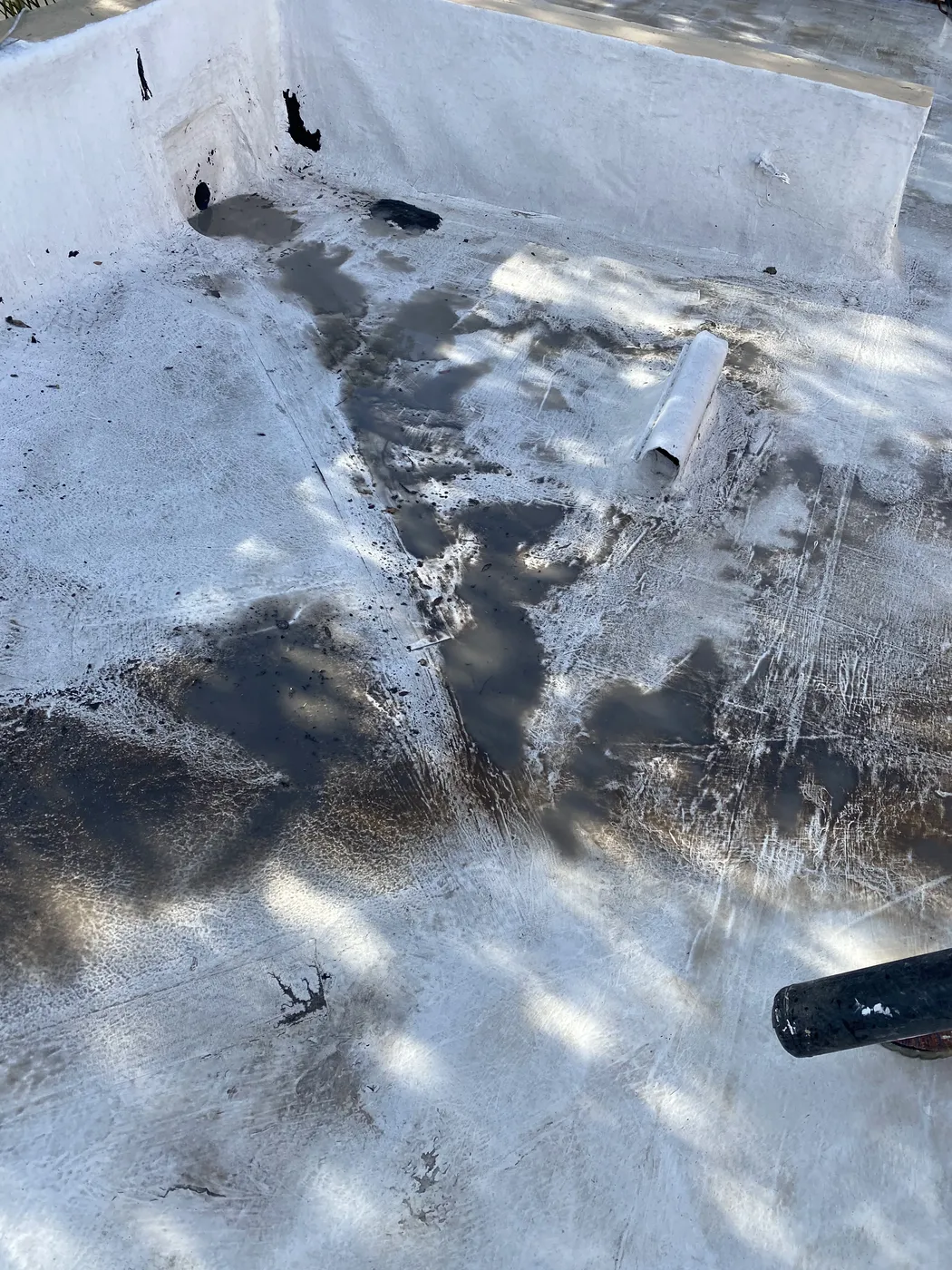
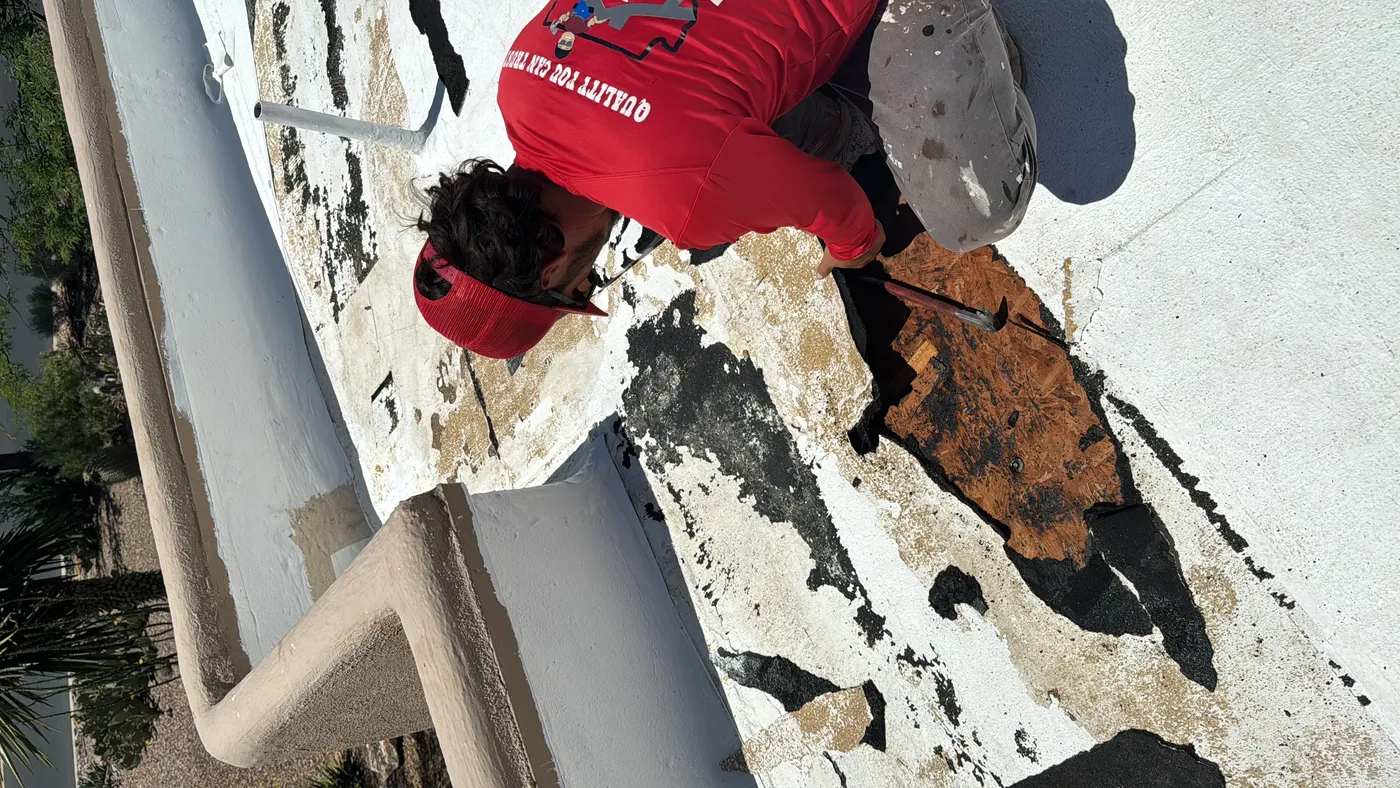
How Our Flat Roof Solutions Process Works
- 1
On-Site Inspection
We get on the roof and check every inch of membrane, every seam, every penetration point - evaporative cooler boots, drain collars, flashing around HVAC curbs. In Tucson, those cooler penetrations cause more flat roof leaks than anything else. We document everything with photos.
- 2
Honest Diagnosis
We show you exactly what's failing. If it's a simple seal repair, we tell you that. We don't push a full roof coating when a targeted fix handles the problem. If a repair isn't the right move, we'll say so.
- 3
Prep Work
We clean the area down to bare substrate where needed - old caulk, loose gravel, failed patches, all of it comes off. You can't bond new material to a dirty surface. Tucson's dust, caliche residue, and UV-degraded coatings all block adhesion unless the surface is properly cleaned first.
- 4
The Repair Itself
Membrane patches, reinforced flashing, resealed seams - whatever the inspection called for, nothing extra. Materials are matched to the existing system so the repair edge doesn't become the next failure point.
- 5
Cleanup and Walkthrough
We clear every scrap of debris off your roof and property. Then we walk you through what we did, where we did it, and what to watch for going forward. No mystery about what's on your roof now.
Ready to Get Started?
Fast response. Licensed ROC #328733. 4.9★ across 100+ Google reviews.
Flat Roof Solutions Services We Provide in Tucson and Southern Arizona
What Tucson Homeowners Gain from Choosing DC Roofing of Arizona
Flat Roof Solutions in Tucson, Oro Valley, Marana, Sahuarita, Green Valley, and Vail
DC Roofing of Arizona provides flat roof solutions services throughout Southern Arizona, including:
Frequently Asked Questions About Flat Roof Solutions in Tucson
How do I know if my flat roof needs a repair or a full replacement?
If less than 25% of your roof membrane is damaged, a repair usually makes more sense than a full replacement. We look at how deep the damage goes and whether the decking underneath is still solid. A roof with isolated cracks or one failed flashing point is a repair job. But if we find soft spots across multiple areas, or moisture has soaked into the substrate in several places, replacement becomes the smarter call. We walk you through the photos and give you a straight answer.
What happens during a flat roof inspection in Tucson?
We get up on the roof and walk every square foot - not just a glance from a ladder. We check the membrane for cracks and blisters, press on the surface for soft spots, and inspect every flashing edge by hand. Evaporative cooler penetrations get extra attention because they fail constantly in Tucson's heat. The whole inspection takes 30 to 45 minutes. Afterward, we show you photos of every problem area and explain what needs fixing now versus what can wait.
Why do flat roofs in Tucson fail so much faster than in other cities?
Tucson's climate hits flat roofs from two directions. From fall through spring, UV exposure and surface temps up to 170°F dry out coatings and sealants fast. Then monsoon season brings wind-driven rain that finds every weak point. Flat roofs don't shed water like pitched roofs - they depend entirely on sealed surfaces and proper drainage. That combination of extreme heat, thermal cycling, and sudden heavy rain breaks down repairs that weren't done with local conditions in mind.
Can I patch a flat roof myself, or do I need a professional?
You can handle a very small, surface-level crack as a temporary fix, but DIY patches on flat roofs in Tucson rarely last more than one monsoon season. The problem is adhesion. Tucson's dust, caliche residue, and chalky UV-degraded coatings all block a patch from bonding properly unless the surface is mechanically cleaned first. Most DIY repairs we see look fine for a few weeks, then lift or crack at the edges when temperatures swing. A professional repair addresses the prep work that makes the fix actually hold.
How soon after a monsoon storm should I get my flat roof checked?
If you notice water pooling for more than 48 hours after a storm, get someone on the roof within the week. Standing water speeds up membrane breakdown and adds weight your roof structure wasn't built to carry long-term. Interior signs like ceiling stains or a musty smell mean water has already been moving through the membrane for a while - at that point, the repair is already overdue. Don't wait for the next storm to confirm the problem. Early action keeps a small repair from turning into a big one.
Do older homes in Tucson have different flat roof problems than newer builds?
Yes, and the difference is significant. Older properties near downtown Tucson and neighborhoods like Sam Hughes often have built-up roofing systems from the 1970s that haven't been touched in decades. That original material gets brittle, and the damage underneath is usually worse than what shows on the surface. Newer builds typically use modified bitumen or TPO membranes that are easier to repair in sections. If your home is more than 30 years old and the roof hasn't been replaced, an inspection is worth doing before the next monsoon season.