What to Expect at a Roof Replacement Consultation in Menlo Park
A roof replacement consultation in Menlo Park starts the same way every one of David’s consultations starts: with your roof’s actual condition and age, not a sales pitch. Menlo Park is one of Tucson’s oldest west-side neighborhoods, sitting along the Santa Cruz River corridor. Most of the housing stock here predates the 1970s, with later infill and some subdivision activity that continued into the 1980s. That means plenty of roofs are original to homes that have been standing for 50 years or more - well past the point where a patch job stops making sense.
David climbs the roof deck himself to check for granule loss, cracked or curling shingles, exposed underlayment, and old patch work that’s starting to fail. Homes closer to the river tend to show extra wear from humidity and monsoon runoff, so drainage and flashing around valleys and roof-to-wall transitions get a close look. He’ll photograph anything he finds and walk you through it in plain language, not roofing jargon.
Here’s what’s covered during a typical visit:
- Roof age and condition, checked against how the home has held up since it was built
- Material options - asphalt shingle, tile, or metal - weighed against Tucson’s heat and monsoon patterns
- Ventilation and decking, since older roofs often need decking work alongside surface replacement
- Timeline and disruption, especially for rental properties where tenants are staying put
- A written estimate that breaks down labor, materials, and any code-required upgrades
Menlo Park has both longtime homeowners and a fair number of rental properties, and the conversation looks a little different depending on which one you are. Landlords usually care most about cost predictability and keeping tenants comfortable, sometimes asking for phased work or weekend scheduling. Homeowners tend to ask more about long-term materials and how a new roof affects resale down the road. David treats both the same way: straight answers, no upsell for the sake of it.
A visit usually runs 30 to 60 minutes, longer if attic access is needed to check insulation and ventilation from inside. You’ll leave with a written estimate, a realistic timeline, and an honest read on whether full roof replacement is actually the right call, or whether a repair could reasonably buy your roof more time.
Getting to DC Roofing of Arizona from Santa Cruz River Park
If you’re heading to the shop from Santa Cruz River Park or anywhere else in Menlo Park, it’s a fairly direct drive - south down I-10 to the Valencia Rd exit, then east for a short stretch to 227 E Valencia Rd, Unit YD3. Keep an eye out for the unit number as you pull in, since this stretch of Valencia Rd runs through several similar commercial complexes near the airport.
Normal drive time runs about 15 to 20 minutes. During rush hour - roughly 7 to 9 a.m. or 4 to 6 p.m. - plan for closer to 25 minutes, mostly due to backup near the Valencia Rd interchange. If you’d rather stay off the freeway entirely, surface streets through 6th Avenue and Park Avenue work too, just add a few extra minutes.
Once you’re there, parking is easy. There’s street parking right in front of the building, plus shared lot access for the unit complex if the street is full. Unit YD3 is easy to spot once you’re in the lot - no maze of suites to navigate.
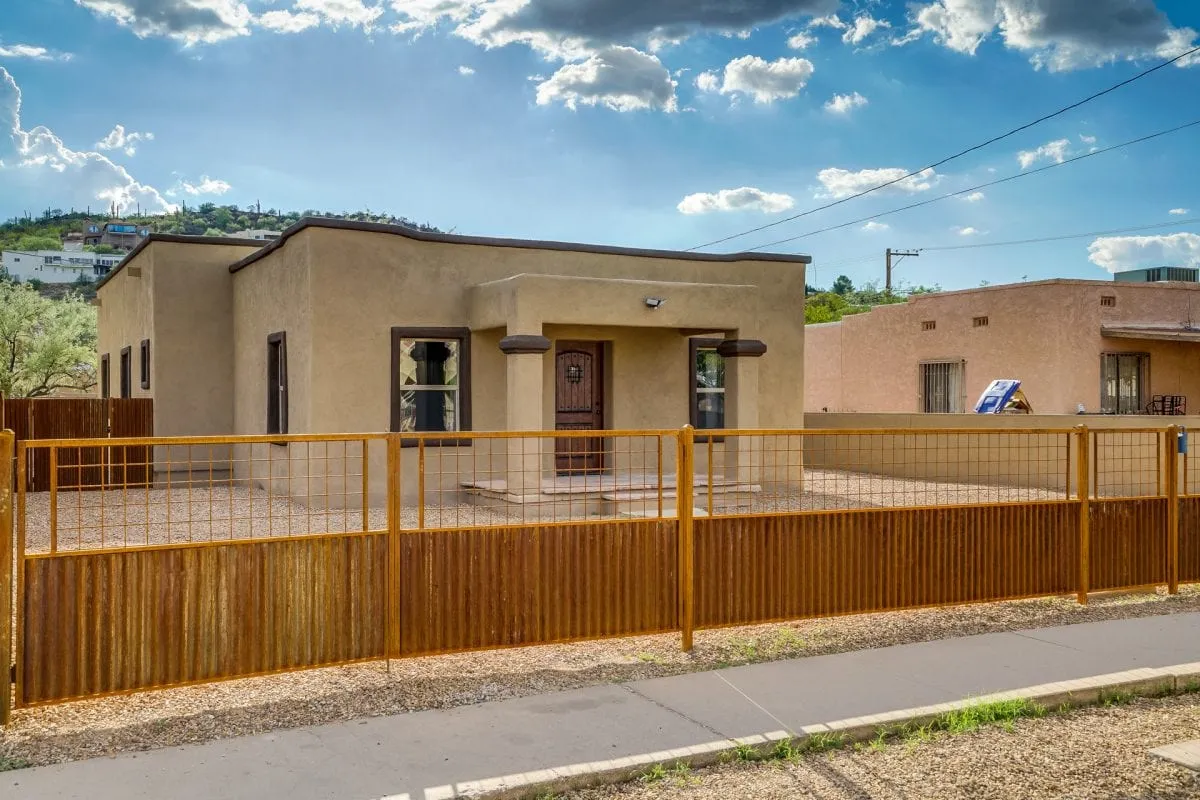
Most Menlo Park homeowners don’t end up needing to make that drive, though. David typically comes out to you for the estimate. He grew up doing roof work in Tucson’s older neighborhoods, so he already has a good idea what to expect on a Menlo Park roof before he’s even climbed the ladder - the tile and asphalt systems common to this mix of historic homes and later infill construction, the flashing wear near evaporative cooler penetrations, and the drainage issues that show up on homes closer to the river.
If you do want to talk it through first, you can call ahead at (520) 979-9095. David answers his own phone - that’s not a marketing line, it’s just how the shop runs.
Why Menlo Park’s Older Homes Often Need Full Replacement, Not Just Repair
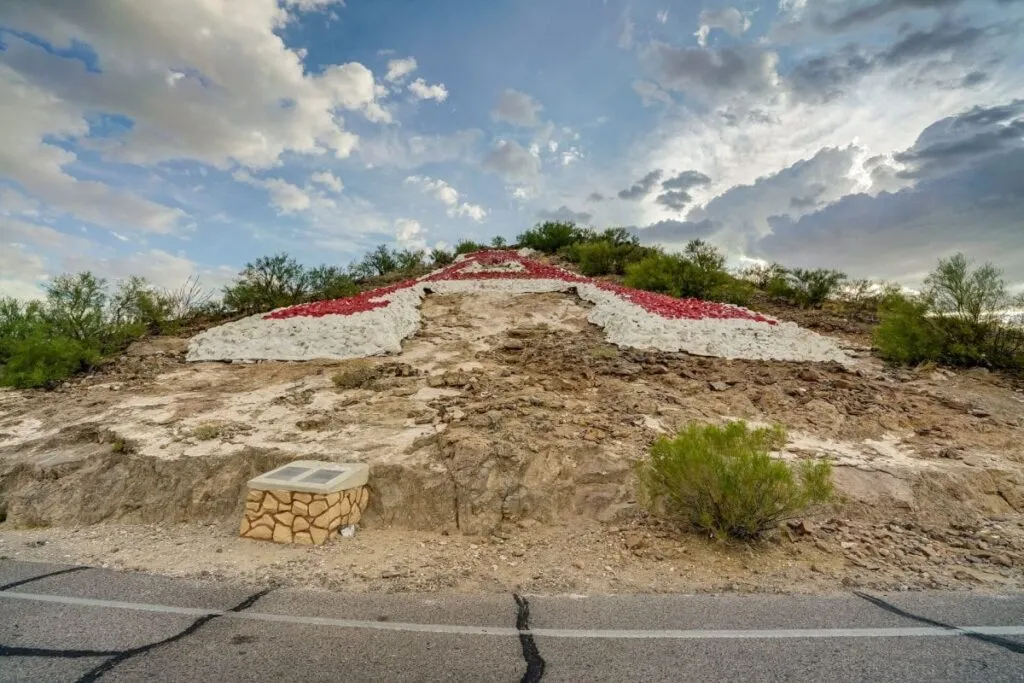
Menlo Park sits right in the shadow of “A” Mountain, and that same open, unshaded exposure that makes the view from Sentinel Peak so good is exactly what ages a roof faster down below. Menlo Park is one of Tucson’s oldest established neighborhoods, and most of the housing here predates the 1970s, with pockets of later infill and some subdivision activity that continued into the 1980s. That means a large share of roofs in the area are either original to homes that have been standing for half a century or more, or belong to newer infill homes that are themselves approaching 40 years old. Either way, most of these roofs have long outlived their intended lifespan under Tucson’s UV exposure and summer monsoon cycles.
The neighborhood has a solid mix of single-family homes and rental properties, including duplexes and smaller multi-family units. Single-family homes typically carry more roof surface area and more complex rooflines, which affects both material needs and labor. Detached homes here often have low-slope sections over patios or additions that need different materials than the primary roof deck - something a contractor needs to be comfortable estimating and building for.
Occupancy patterns matter too. Menlo Park has a meaningful share of rental housing alongside owner-occupied homes, which shapes who’s making the call on a roof and how fast the decision happens. Landlords tend to prioritize durable, cost-effective work that minimizes tenant disruption and future maintenance calls. Owner-occupants are often more willing to invest in upgraded materials or longer warranties since they’re staying long-term. David talks to a property manager differently than he talks to a homeowner replacing the roof over their own bedroom, and both get a straight answer either way.
Because so much of Menlo Park predates more recent roofing code updates, replacement projects here frequently turn up decking that needs reinforcement and attic ventilation that falls short of current standards. Bringing those up to code during the replacement - instead of treating it as a simple shingle swap - helps the new roof actually last and keeps the attic from turning into an oven every July.
A few things worth knowing if your roof is in this age range:
- Roofs near or past the 40-year mark - and a lot of Menlo Park’s are well beyond that - should be checked for decking rot, not just surface wear
- Homes with patio or addition sections often need more than one material type across the roof
- Landlords should ask for warranty terms that transfer cleanly to future tenants or buyers
- Ventilation upgrades during replacement can meaningfully cut attic temperatures and extend shingle life
Whether your Menlo Park home is one of the historic originals or a later infill build - or you’re just not sure which side of the repair-versus-replace line you’re on - a roof inspection is the place to start. David will tell you honestly which one you actually need.