
Expert Roof Inspection for Tucson & Southern Arizona
David Contreras, owner of DC Roofing of Arizona, has been inspecting and repairing roofs in Tucson since 2011 - long enough to know exactly where this desert climate puts your roof under pressure and what to look for before a small problem becomes a large one. With over 800 roofs completed across Southern Arizona, every inspection we do comes back with a written report, photos, and straight answers about where things stand.
Watch: DC Roofing of Arizona in Action
What a Thorough Roof Inspection Actually Covers
A lot of folks think we just climb up and look around for a few minutes. That's not how it works. A real roof inspection in Tucson follows a system. We check every part of your roof that can fail - and out here, the list is longer than most people expect. We start on the ground, looking at the overall roofline for sagging, uneven areas, or visible damage. Then we get up top and work section by section.
What Gets Checked
- Tile condition, including cracked, shifted, or missing clay and concrete tiles
- Flashing around vents, chimneys, and walls where leaks love to start
- Underlayment exposure - Tucson's UV breaks down that layer fast
- Evaporative cooler penetrations and the sealant around them
- Flat roof membrane condition on low-slope sections
If something is leaking, the problem isn't always where you think it is. A homeowner in the Catalina Foothills called us about a ceiling stain in their bedroom. The actual entry point was fifteen feet away, near a cooler line that had lost its seal two monsoon seasons back. You can't find that with a quick glance from the ground.
We also check your gutters, downspouts, and drainage paths. Standing water on a flat roof section will eat through a coating faster than the summer heat will. Where attic access is available, we check for ventilation adequacy, moisture buildup, and whether past repairs were done right. Every finding goes into a written report with photos - not vague notes. Actual pictures of what we found, where we found it, and what it means for your roof. David reviews every report before it goes out.
Flat Roofs and Foam Coatings Require a Different Inspection Process
You can't inspect a flat roof the same way you'd inspect a tile roof. The problems are different, the materials are different, and the mistakes we see other contractors miss on flat roofs are some of the most expensive ones to fix later.
Flat and low-slope roofs show up all over Tucson - especially on older homes near Sam Hughes, midtown commercial buildings, and converted properties throughout the city. A lot of them have spray foam coatings or modified bitumen membranes. These systems don't fail the way tile does. There's no cracked piece you can spot from the ground. The damage hides in plain sight.
- Ponding water, even small amounts that sit for more than 48 hours after rain
- Blistering, bubbling, or delamination in foam coatings caused by UV breakdown
- Cracks along parapet walls where the roof meets the edge
- Failed sealant around evaporative cooler penetrations - one of the most common leak sources we deal with
- Soft spots in the decking underneath that signal trapped moisture
Tucson's UV exposure is brutal on foam coatings. The top layer breaks down faster here than in most climates, and once it does, moisture gets into the foam itself - that's when a small recoating job turns into a full roof replacement. A thorough inspection catches the coating while it's still salvageable. David personally walks every flat roof we inspect.
Tucson's Two-Season Inspection Calendar
Most roofing advice talks about spring and fall inspections. That works for places with four real seasons. Tucson doesn't work that way. Our roofs deal with two brutal cycles, and your inspection schedule should match them.
Before Monsoon Season: Late May Through Early June
This is the one we push hardest. Monsoon season runs roughly June through September and hits fast. One afternoon you've got clear skies over the Catalina Foothills; two hours later, wind is ripping across your roof at 60 miles per hour with sideways rain behind it. If you've got a cracked tile, a lifted flashing, or dried-out sealant around a cooler penetration, that storm will find it.
A pre-monsoon inspection catches the damage Tucson's spring UV has already done - underlayment that's baked and brittle, boot seals split wide open, tile that shifted during winter thermal cycling. None of it is leaking yet. All of it will leak once the rain starts.
After Monsoon Season: October Through Early November
The second inspection matters just as much. Storms leave behind problems that aren't always obvious from the ground - debris trapping moisture in valleys, tiles cracked by wind-driven branches, flashing pulled away from chimneys, flat roof ponding on commercial buildings and older homes near South Tucson. Homeowners often don't notice until months later when a slow leak stains a ceiling. By then, the decking has been sitting wet through the dry season's heat, and what could have been a small repair turns into something much bigger.
How to Spot a Legitimate Roof Inspection vs. a Sales Pitch
We get calls from homeowners who just had someone knock on their door after a storm. The person climbed up, spent four minutes on the roof, came back down, and said they needed a full replacement. No photos. No written report. Just a number on a clipboard and pressure to sign today. That's not a roof inspection - that's a sales call.
A real inspection takes 45 minutes to over an hour on most homes, depending on size and roof type. Proper inspection work also means following established safety protocols - the OSHA roof inspection safety guide outlines the standards any qualified inspector should work within. Here's what separates a legitimate inspection from a pitch:
- You get photos of every area of concern, not just a verbal summary
- The inspector checks flashing, penetrations, underlayment condition, and drainage paths
- You receive a written report you can keep, whether or not you hire that company
- The inspector tells you what doesn't need fixing, not just what does
- There's zero pressure to make a decision on the spot
We inspected a tile roof in the Catalina Foothills last spring where another company had quoted a full tear-off. The real issue was three cracked tiles and a failed boot around an evaporative cooler line. A repair handled it and the homeowner saved thousands. Always ask whether the company is licensed with the Arizona Registrar of Contractors. Our license is ROC #328733 and we carry full insurance.
What Happens After the Inspection Report Is Delivered
We don't just hand you a document and disappear. David walks you through every finding - in person or over the phone - in plain language with no jargon. Your report covers which issues need attention now versus what can wait, whether a roof repair makes sense or if you're looking at a bigger conversation about roof replacement, areas worth watching through monsoon season, and any spots where previous work was done poorly. If the report shows issues, we put together a free estimate with no obligation. If the roof comes back clean, we tell you that and let you know when the next inspection should be scheduled. Our 4.9-star Google rating across 100+ reviews exists because people trust us to be straight with them.
Insurance Claim Inspections in Arizona
After a storm, your insurance company will send their own adjuster. Having a contractor inspect the roof first - and document damage independently - puts you in a much stronger position. DC Roofing of Arizona provides detailed photo documentation, written damage assessments, and can be present during the adjuster's visit. If our findings differ from the adjuster's, our documentation supports your appeal. Insurance-related documentation is included in the inspection service at no separate charge. If repairs are approved, we can handle all storm damage repairs through the insurance process.
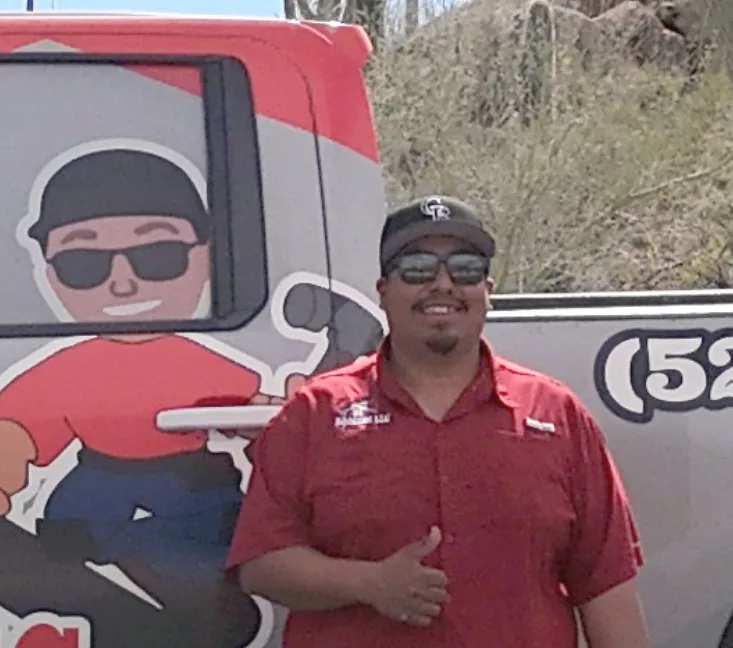
David Contreras, Owner & Founder - DC Roofing of Arizona · Licensed ROC #328733 · Tucson native since 1989
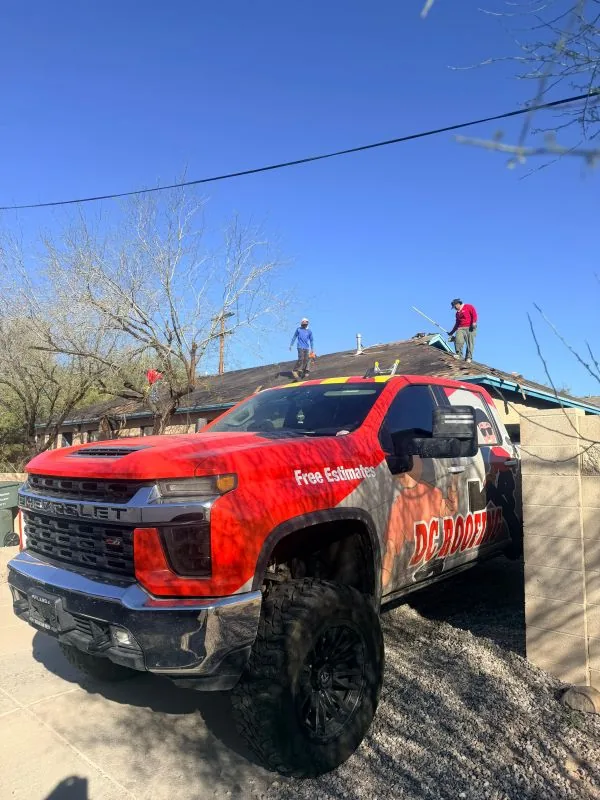
Roof Inspection Projects Completed in Tucson
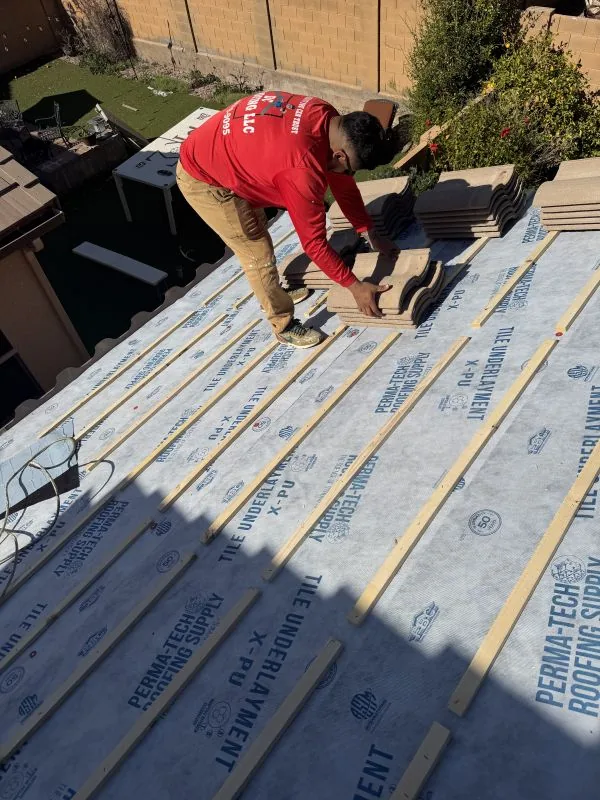
How Our Roof Inspection Process Works
- 1
Schedule Your Inspection
Call (520) 979-9095 or fill out our online form. We schedule most inspections within 24–48 business hours - sooner during the weeks leading into monsoon season. Tell us your roof type and any known concerns so we come prepared.
- 2
Ground-Level Assessment
Before we climb, we walk the perimeter - checking the overall roofline for sagging or uneven sections, gutters and drainage paths, and anything visible from the ground that tells us where to look closely once we're up top.
- 3
Full Roof Surface Examination
We work section by section across the entire roof: tile condition, flashing at every penetration, underlayment exposure, evaporative cooler seals, flat membrane condition, and drainage. On flat roofs, David walks every inch himself and presses on the surface to check for soft spots.
- 4
Attic & Interior Check
Where attic access is available, we check for signs of active leaks, moisture buildup, ventilation adequacy, and whether past repairs were done correctly. The interior view often reveals things the roof surface alone won't show.
- 5
Written Report, Walkthrough & Estimate
You receive a written report with photos of every finding before we leave your property. David reviews every report before delivery. We walk you through the findings in plain language - what needs attention now, what can wait, and a free estimate for any recommended work.
Ready to Get Started?
Fast response. Licensed ROC #328733. 4.9★ across 100+ Google reviews.
Roof Inspection Services We Provide in Tucson and Southern Arizona
What Tucson Homeowners Gain from Choosing DC Roofing of Arizona
Roof Inspection in Tucson, Oro Valley, Marana, Sahuarita, Green Valley, and Vail
DC Roofing of Arizona provides roof inspection services throughout Southern Arizona, including:
Frequently Asked Questions About Roof Inspection in Tucson
How long does a roof inspection take in Tucson?
Most roof inspections take between one and two hours, depending on your roof size and type. A flat roof with foam coating takes longer than a standard tile roof because we walk every inch and press on the surface to check for soft spots. After the inspection, you get a written report with photos before we leave your property.
Do I really need two roof inspections a year in Tucson?
Yes, and it comes down to how Tucson's weather actually works. One inspection before monsoon season catches UV damage and dried-out sealants before the storms hit. A second inspection in October finds what the monsoon left behind - cracked tiles, shifted flashing, debris trapping moisture in valleys. Skipping either one means damage sits undetected through the next extreme season.
My ceiling stain is in one room - does that mean the leak is right above it?
Not always. Water travels along decking and framing before it drips through your ceiling. We've found entry points fifteen feet away from where the stain showed up inside the home. That's why we work section by section across the entire roof, not just the area above the visible damage. Chasing the wrong spot is one of the most common reasons repairs fail.
What's different about inspecting a flat roof versus a tile roof in Tucson?
Flat roofs don't show damage the same way tile does - there's no cracked piece you can spot from the ground. We're looking for blistering in foam coatings, failed sealant around evaporative cooler penetrations, and soft spots that signal trapped moisture underneath. Tucson's UV breaks down foam coatings faster than most climates, so catching it early is the difference between a recoat and a full replacement.
What do I get after the inspection is done?
You get a written report with actual photos of every finding - not vague notes. Each photo shows what we found, where we found it, and what it means for your roof. David reviews every report before it goes out to you. If repairs are needed, we include a free written estimate with no obligation to proceed.
Can I schedule a roof inspection before monsoon season if I'm not seeing any damage yet?
Absolutely - that's actually the best time to call. Pre-monsoon inspections in late May or early June catch damage that hasn't leaked yet: brittle underlayment, split boot seals, tiles shifted from winter thermal cycling. None of it shows up as a stain inside your home until the first big storm hits. Getting ahead of it is far less expensive than reacting after the rain starts.
Can a roof inspection help with my insurance claim?
Yes - having an independent contractor's documentation before or alongside the insurance adjuster's visit strengthens your position significantly. We provide detailed photo evidence and written damage assessments. If the adjuster's findings differ from ours, our documentation supports your appeal. We do not charge separately for insurance-related documentation.
How much does a roof inspection cost in Tucson?
DC Roofing of Arizona provides free roof inspections when you're considering repair or replacement work. For standalone inspection reports - pre-purchase due diligence, annual condition reports, or insurance documentation - contact us for current pricing. All inspections include photo documentation and a written condition report.