
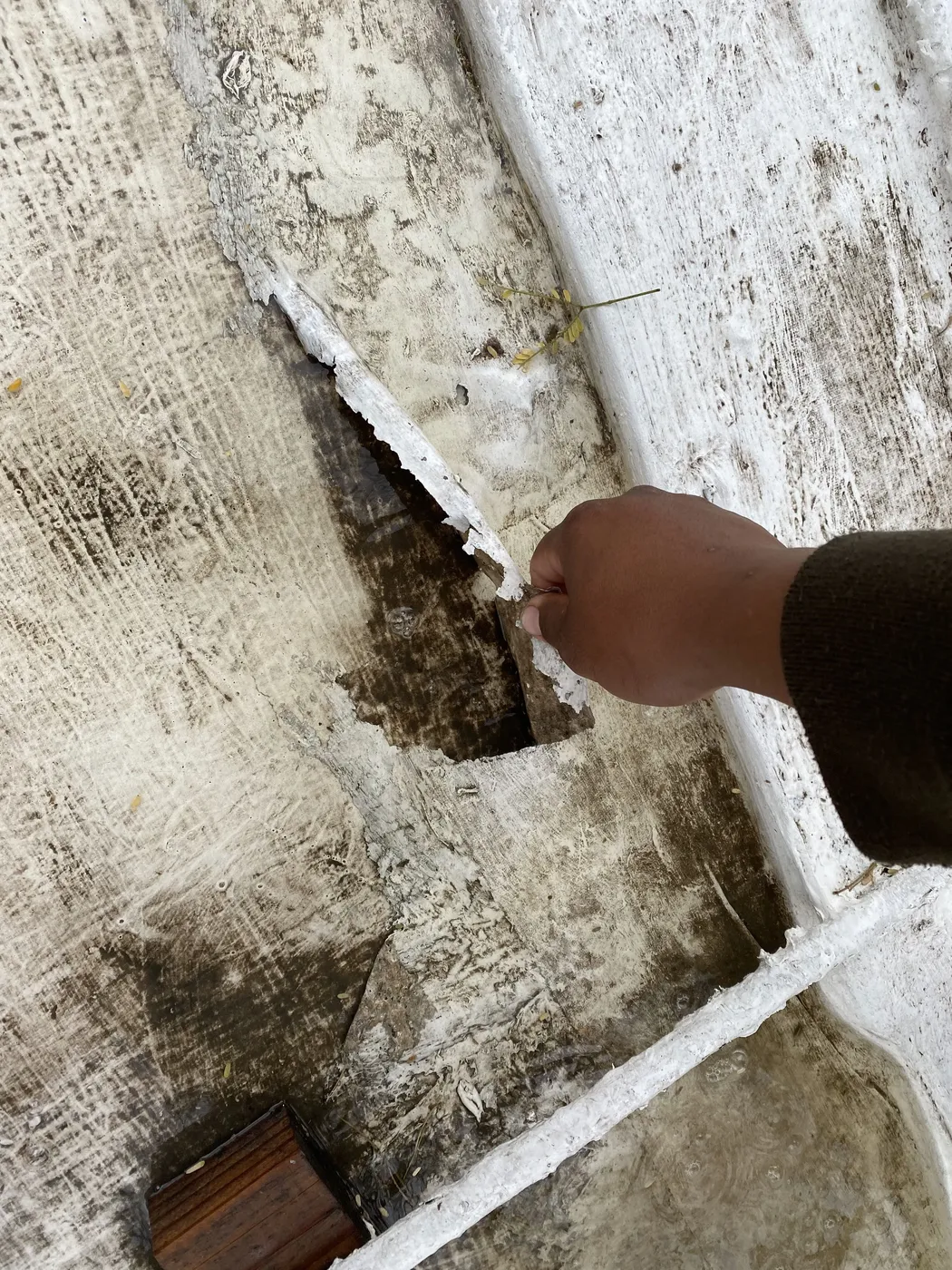
David Contreras, owner of DC Roofing of Arizona, has been roofing in Tucson since 2011, and he's the one who looks at storm damage on Vail roofs. Monsoon damage is usually quiet: a lifted tile, a cracked seal, water that doesn't show up inside the house until later. This page explains how one storm sets up the next, what to check from the ground after a storm, and how monsoon damage differs from other weather. We're licensed, bonded, and insured (ROC #328733), and if what you found is a small repair, that's what we'll tell you.
Why One Storm Can Set Up the Next One to Cause Real Damage
A single monsoon storm rarely destroys a roof on its own. What it does is break a seal, lift a tile, or crack a flashing joint, and the next storm pushes water straight through that opening. Storm damage repair works best between storms, not after the ceiling stains show up.
Most roofs don't fail all at once. They fail in stages, one storm at a time. Here's how it typically plays out on a tile roof: a June wind event lifts the edge of a concrete tile. Nothing leaks, and you can't see anything from the driveway. But that tile is no longer holding down the underlayment beneath it, and the underlayment is the part that keeps water out. The tile is mostly armor and shade.
Then July brings driving rain. Water gets under the lifted tile, reaches the exposed underlayment, and sits there. The sun bakes it the next morning. Repeat that a few times and the underlayment gets brittle, splits, and lets water through to the deck. The sequence usually looks like this:
- Wind lifts or shifts a tile, or blows debris across the roof surface
- Underlayment, sealant, or flashing is exposed to direct sun and rain
- UV and daily heat swings dry out and crack that exposed material
- The next storm drives water into the crack instead of over it
- Water reaches the plywood deck and spreads sideways along the framing
- Weeks or months later, a stain appears on a ceiling far from the actual entry point
- Now you're replacing decking and insulation, not patching a flashing joint
The gap between the fourth and sixth steps is where the cost jumps. Roofing doesn't get more expensive. The repair area just grows.
Flat and low-slope roofs follow the same pattern with a different twist. Debris collects at a low spot after a storm, water ponds there, and the next storm adds more debris to the same spot. NRCA guidance treats water that's still standing on a membrane roof 48 hours after rain as something that can damage the roof assembly, so a flat roof that's still holding water days after a storm needs a look.
Evaporative cooler penetrations are another one worth watching. Wind bumps and strains those units, and the sealant around the curb is already fighting Arizona sun all year. One storm loosens it, and the next one finds the gap.
So the advice is simple. After any storm with real wind, get eyes on the roof before the next one arrives. Arizona's official monsoon season runs June 15 through September 30, and storms stack up quickly, so catching damage early is most of the game.
Signs of Storm Damage on Your Roof
Storm damage usually starts with something small: a cracked tile, a dark spot on a ceiling. It's rarely a hole you can see from the driveway. Monsoon wind loosens things, and the next storm finishes the job. You don't need a ladder to catch most of it. Start from the ground and look for:
- Cracked, slipped, or missing clay and concrete tiles, especially along ridges and edges
- Tile pieces or gravel in your yard or on walkways after a windy night
- Lifted or torn flashing around chimneys, vents, and evaporative cooler penetrations
- Bubbles, splits, or ponding water on a flat or low-slope section
- Water stains on ceilings or wall corners, even faint tan rings that appeared overnight
- Granules washed into gutters or at the base of downspouts on shingle roofs
That last one catches people off guard. Granules are the sun protection on asphalt shingles, and once they wash off, the mat underneath cooks fast in this heat.
Here's the catch with tile roofs. The tile isn't what keeps water out. The underlayment beneath it does. So a roof can look almost perfect from the street while the layer doing the real work is torn open, and counting three broken tiles, replacing them, and calling it handled often isn't the whole fix.
Want a simple order to check things in? Do it the morning after the storm, from the ground and from inside the house:
- Walk the full perimeter and look for roofing debris on the ground
- Look up at the roof edges and ridge line for tiles that sit crooked or lower than their neighbors
- Check the gutters and downspout outlets for granules, mortar chunks, or packed leaves
- Step inside and scan every ceiling, especially near vents, skylights, and the cooler
- Photograph everything you find, with the date, before anyone touches it
That last step matters more than most people think. Photos taken right after the storm are the cleanest record you'll ever have, for your own files and for an insurance claim.
Two safety notes. If water is dripping from a light fixture or around a ceiling fan, that's an electrical hazard, so turn off that circuit. And please don't climb up there yourself. Tile cracks under foot weight, a wet low-slope roof is slicker than you'd expect, and damaged decking can give way without warning. Leave the attic to us too, since attics here can get dangerously hot in the afternoon.
One more clue people overlook is smell. Musty air in a closet or hallway after a storm often means water is sitting somewhere it shouldn't be.
How Monsoon Storms Damage Roofs Differently Than Other Storms
Most people picture storm damage as a tree through the roof. Monsoon damage is quieter. It usually starts with a lifted tile edge or a cracked bead of sealant, and it can hide for weeks.
Monsoon storms hit fast, and the order matters. The National Weather Service notes that straight-line winds in any thunderstorm can lift huge clouds of dust, and those outflow winds can arrive before the rain does. NWS Tucson's severe-thunderstorm criterion is damaging winds of 60 mph or greater, and monsoon storms can produce them. The wind loosens things first, and then the rain drives into whatever just got loosened. That rain isn't falling straight down like a slow winter rain, either. Wind pushes it sideways, up under tile and behind flashing, where nothing is designed to hold water back.
Heat makes it worse. Berkeley Lab's Heat Island Group reports that dark roofs can reach 150°F or higher in the summer sun, and the swing when a storm cools that surface stresses sealants and metal all season. By mid-summer, a lot of flashing has been through months of it. The storm doesn't create the weakness. It finds it.
Here's what to look for after a monsoon storm:
- Shifted or cracked clay and concrete tile, often from wind uplift rather than impact
- Torn or exposed underlayment where a tile moved and left it bare to the sun
- Failed sealant around evaporative cooler penetrations
- Debris dams in valleys and scuppers that hold water on flat and low-slope roofs
- Lifted flashing at parapet walls and around skylights
- Ponding water on flat roofs where drains clogged with gravel and palo verde litter
Notice how few of those involve anything dramatic. That's the trap. The damage a monsoon leaves behind often doesn't leak during that storm. It leaks during the next one, or the one after.
Not every scary storm means damage, though. A dust storm can coat your roof in grit and drop branches and gravel across it, which looks alarming but is often just a mess. If one or two tiles shifted but are still seated, there's no leak inside, and no decking is exposed, you can usually wait for a routine visit. If three or more tiles are missing, underlayment or decking is showing, or water is dripping inside, call us that week, or right away for an active leak.
Flat and low-slope roofs behave differently again. They don't shed water, they hold it and drain it. Monsoon damage on a flat roof shows up as blistering, seam separation, or standing water that won't leave, and water still standing 48 hours after rain is the one to take seriously.
The takeaway is simple. After a monsoon storm, you're not looking for a hole. You're looking for things that moved, things that lifted, and water that didn't leave.
What We Do After a Storm
It starts with a free inspection. David gets on the roof and checks every surface: tiles, flashing, pipe boots, cooler seals, the underlayment, and the edges where wind gets underneath. He photographs everything, walks you through it in plain language, and tells you what your roof actually needs. Not every storm-hit roof needs a tear-off. Often it's a handful of tiles and some flashing, and that's what goes in your written estimate. When it is a repair, we replace broken tiles, reseal flashing, and patch or replace underlayment sections, and our repairs carry a 2-year labor warranty.
If water is coming into the house, call us right away. We prioritize urgent situations, and our emergency roofing service covers temporary protection, though we don't run overnight dispatch. If you're filing an insurance claim, we can put together a written inspection report with photos that your adjuster can work from. What your policy covers is between you and your insurer.
One warning after any big storm: out-of-town crews often go door to door offering free inspections. Before anyone gets on your roof, check their Arizona ROC license at roc.az.gov. Ours is ROC #328733. For more on what to check after a storm, see our guide to spotting roof damage after a monsoon, and our storm damage roof repair page covers the service in detail.
FAQ: Storm Damage Roof Repair in Vail
How do I know if storm damage is serious enough to call a roofer?
If you see cracked or lifted tiles, granules in the gutters, or any ceiling stain, call before the next storm. Small openings don't leak right away, but they let water sit against the underlayment until it cracks. Waiting for a visible drip usually means the damage has already reached the deck. A quick check after any storm with real wind catches problems while they're still a simple repair.
Can I inspect my own roof for storm damage, or should I hire a professional?
You can check a lot safely from the ground. Walk your yard for debris, look at the roofline for crooked tiles, check gutters for granules, and scan your ceilings for stains. Leave the roof and the attic to a professional: tile cracks under foot weight, wet low-slope roofs get slick fast, and attics here can get dangerously hot. If water is dripping from a light fixture or ceiling fan, turn off that circuit.
What's the biggest mistake homeowners make after a monsoon storm?
Fixing what you can see and stopping there. Someone replaces three broken tiles and calls it done, but the underlayment beneath nearby tiles may already be torn. That damage stays hidden until stains show up on the ceiling weeks or months later. Checking the whole roof system, not just the obvious spots, is what stops repeat damage after each storm.
Why does monsoon season cause repeat roof damage instead of one big failure?
Arizona's monsoon season runs June 15 through September 30, and storms stack up quickly, so damage builds in stages. One storm lifts a tile or cracks flashing, then sun and heat bake the exposed underlayment until it's brittle. The next storm pushes water through that same weak spot. The cycle repeats until small damage becomes decking and insulation replacement instead of a quick repair.
Does a roof with only a few cracked tiles still need a full inspection?
Yes, because the tile is mostly armor and shade. The underlayment beneath it does the real work of keeping water out. A few cracked tiles can mean exposed underlayment nearby that's already drying out and splitting. A full inspection checks the layer you can't see from the ground, which is where storm damage repair really starts.
What's the difference between flat roof storm damage and tile roof storm damage?
Flat and low-slope roofs hold and drain water instead of shedding it, so damage shows up as ponding water, blistering, or separated seams. Tile roofs fail differently: wind lifts or shifts tiles and exposes the underlayment beneath. Both get worse with repeated storms if left unchecked, and a free inspection can confirm which pattern is happening on your roof.
Do I need a permit for storm damage roof repair in Vail?
Vail is in unincorporated Pima County, so permits go through Pima County rather than the City of Tucson. Pima County's permit guidance lists re-roofing with like materials, such as tile or shingles, as not requiring a permit, while structural roof work does. Requirements can change, so if your repair involves anything structural, check with Pima County Development Services before work starts, and check with your HOA if you have one.
Is DC Roofing of Arizona insured to work in Vail?
Yes. We're licensed (ROC #328733), bonded, and insured in Arizona, and we carry liability insurance and workers' compensation coverage on every job.