Expert Storm Damage Roof Repair for Tucson & Southern Arizona
David Contreras, owner of DC Roofing of Arizona, has been handling storm damage roof repair in Tucson since 2011. When you call about damage after a monsoon, David often picks up himself - and he stays involved from that first call to the final walkthrough. DC Roofing of Arizona (ROC #328733) has completed over 800 roofs across Southern Arizona, and storm damage work during monsoon season is one of the largest parts of what we do every year.
Watch: DC Roofing of Arizona in Action
What Storm Damage Looks Like on Tucson Roofs
You walk outside after a July monsoon and everything looks fine from the ground. That's the tricky part. Most storm damage on a roof isn't obvious until water starts showing up inside your house. A homeowner in the Catalina Foothills calls about a ceiling stain that appeared overnight - they had no idea anything was wrong until the rain found its way through. By then, the underlayment is already soaked and the damage has spread farther than what they can see.
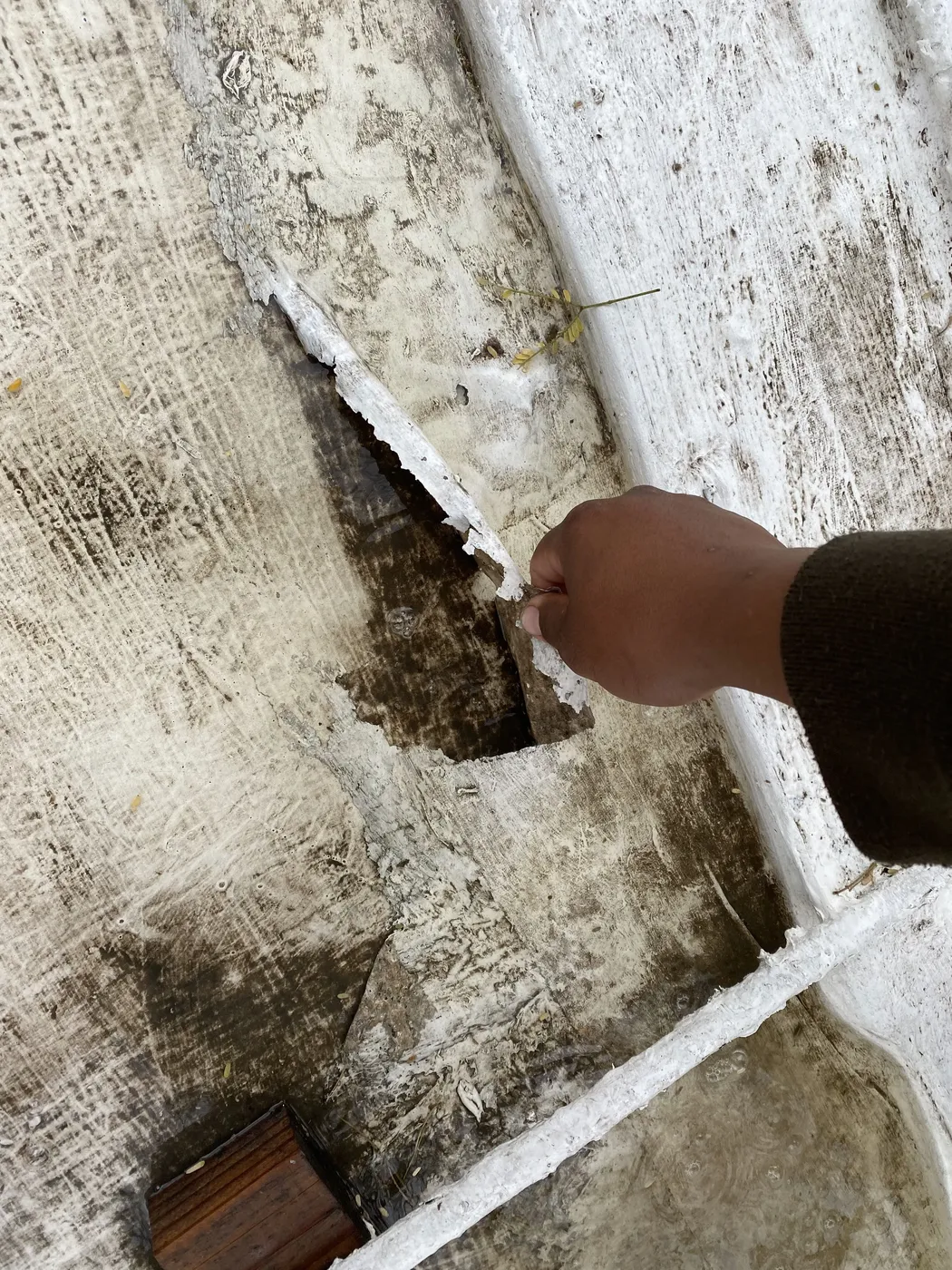
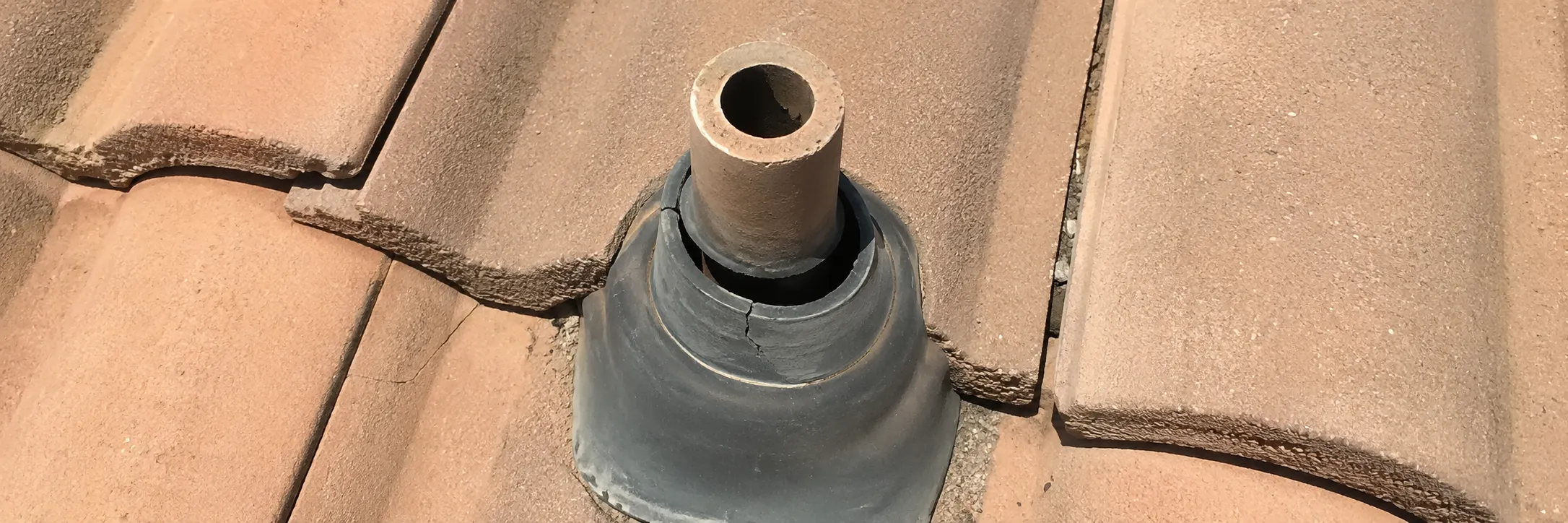
Tucson storms hit roofs in a few specific ways. High winds lift clay and concrete tiles right off the battens - sometimes a tile shifts just a quarter inch, enough to let water underneath without looking broken from the street. Wind-driven rain forces water behind flashing around vents, walls, and evaporative cooler penetrations - and those cooler boots are everywhere in Tucson, one of the first spots to fail after a hard storm. Debris punctures: palo verde branches, loose gravel, even patio furniture that catches air. Flat roofs and low-slope roofs take the worst of it because debris just sits there and grinds during wind gusts. On shingle roofs, look for dark, bald-looking patches or granules piled in your gutters.
The damage you can't see is usually worse than what you can. Water gets under tiles, soaks into the deck, and sits there. In Tucson's heat, that trapped moisture rots wood fast. A small repair turns into a big one if you wait.
Dust Storm or Real Wind Damage? Telling the Difference
Tucson gets its share of monsoon dust storms, and every so often one qualifies as a true haboob - though the massive, city-engulfing walls of dust you see in news footage are more a Phoenix and lower-desert phenomenon than a Tucson one. Even our smaller dust events usually do less damage to a tile roof than people expect. A dust storm coats everything in grit and drops palo verde branches and gravel across your roof - alarming from the ground, but most of the time that's all it is: a mess, not damage. These storms move fast and don't carry the sustained uplift a monsoon microburst does, so properly fastened tiles usually stay put.
Here's how we tell homeowners to check it themselves before calling us. Look for tiles sitting flat and lined up with the surrounding pattern. If a tile slid a couple inches but is still resting on the deck, no daylight is coming through the attic, and there's no leak after rain, you can usually wait for a routine visit instead of an emergency call.
- Wait and monitor: one or two shifted tiles still seated on the roof, no interior leak, no exposed decking
- Call us that week: three or more missing tiles, visible underlayment or decking, active dripping, or daylight through the attic
We'd rather tell a homeowner their roof only needs a dust cleanup than run up a bill for tiles that were never actually damaged.
Why Tucson's Monsoon Season Creates Urgent Repair Needs
June hits and everything changes. The sky goes dark in the afternoon, wind kicks up out of nowhere, and rain comes down sideways. That's monsoon season in Tucson, and it runs straight through September. We get more storm damage roof repair calls during these four months than the rest of the year combined.
It's not just the rain - it's the combination of forces hitting your roof all at once: wind gusts over 60 mph that lift clay and concrete tiles right off the deck; driving rain that pushes water under loosened flashing and into your underlayment; and fallen tree limbs and airborne debris punching holes you can't see from the ground. The damage stacks. A tile that shifted in last week's storm now has a gap - this week's downpour sends water straight through that gap into your attic. By the time you notice a brown spot on your ceiling, the underlayment is already soaked.
Waiting until the season ends isn't a great plan either. Every storm that passes over a damaged roof makes the problem worse. What starts as a cracked tile turns into rotted decking. That's why we prioritize urgent storm damage calls during monsoon season and get out to Tucson homes as fast as we can.
How to Spot a Legitimate Storm Damage Contractor
After every big monsoon in Tucson, trucks with out-of-state plates show up in neighborhoods like Rincon Heights and Civano. They knock on doors, promise fast fixes, then disappear before the work holds up to the next storm. Here's what separates a real contractor from someone just chasing weather: they carry a valid Arizona ROC license you can look up on the Registrar of Contractors website (ours is ROC #328733); they have liability insurance and workers' comp and can show proof; they give you a written estimate before any work starts; they don't pressure you to sign on the spot or ask for large upfront payments; and they have a local address in Tucson, not just a phone number.
A legitimate contractor won't tell you your whole roof needs replacing before they've even been up there - that's a red flag. Honest diagnosis comes first, the recommendation comes after. We've looked at roofs where the homeowner was told they needed a full replacement, and it turned out to be a handful of cracked tiles and some flashing that needed resealing. Big difference. Check Google reviews: not just the star rating, but what people actually say. Do reviewers mention the owner showing up? Do they talk about cleanup, communication, follow-through? Those details matter more than a flashy website.
The Storm Damage Roof Repair Process
Here's exactly how we handle storm damage roof repair once we're on your property in Tucson. You call or text, and we prioritize urgent calls - David often picks up himself. We get up on the roof and check every surface: cracked tiles, lifted flashing, torn underlayment, damaged sealant around cooler penetrations. We photograph everything. You see what we see. Not every storm-hit roof needs a full tear-off - we tell you what your roof actually needs, nothing more.
If you're filing an insurance claim, we put together a clear report with photos and descriptions your adjuster can work from. No inflated claims, no games - just the facts about what the storm did. Our crew handles the repair directly: no random subcontractors showing up. We replace broken tiles, reseal flashing, patch or replace underlayment sections, and address any water entry points the storm created. We clean the jobsite every day we're there. When the job's done, we walk the property with you, you'll see the finished work, and we'll answer every question before we leave.
Every storm damage roof repair we finish gets a post-repair inspection before we consider it done. We check that every damaged tile, shingle, or membrane section has been replaced or sealed; flashing around vents, walls, and evaporative cooler penetrations sits tight; underlayment wasn't left exposed or improperly overlapped; and debris, old nails, and broken material have been fully cleared. For situations requiring immediate tarping or temporary protection before permanent repairs can be scheduled, see our emergency roofing service.

David Contreras, Owner & Founder - DC Roofing of Arizona · Licensed ROC #328733 · Tucson native since 1989
Storm Damage Roof Repair Projects Completed in Tucson
How Our Storm Damage Roof Repair Process Works
- 1
Initial Contact and Scheduling
You call or text, and we prioritize urgent calls. David often picks up himself. We'll ask a few quick questions about what you're seeing and get a visit on the calendar as fast as we can.
- 2
Full Roof Inspection
We get up on the roof and check every surface - cracked tiles, lifted flashing, torn underlayment, damaged sealant around cooler penetrations. We photograph everything. You see what we see.
- 3
Honest Assessment
Not every storm-hit roof needs a full tear-off - just targeted repairs. We tell you what your roof actually needs, nothing more. If we find the damage is limited to a few tiles and some flashing, that's exactly what we tell you.
- 4
Insurance Documentation
We put together a clear report with photos and descriptions your adjuster can work from. No inflated claims, no games - just the facts about what the storm did. We can also schedule our inspection to coincide with the adjuster's visit.
- 5
The Repair Itself
Our crew handles the work directly - no random subcontractors. We replace broken tiles, reseal flashing, patch or replace underlayment sections, and address any water entry points the storm created.
- 6
Cleanup and Final Walkthrough
We clean the jobsite every day we're there. When the job's done, we walk the property with you, you see the finished work, and we answer every question before we leave. David walks through the findings directly - no surprises.
Ready to Get Started?
Fast response. Licensed ROC #328733. 4.9★ across 100+ Google reviews.
Storm Damage Roof Repair Services We Provide in Tucson and Southern Arizona
What Tucson Homeowners Gain from Choosing DC Roofing of Arizona
Storm Damage Roof Repair in Tucson, Oro Valley, Marana, Sahuarita, Green Valley, and Vail
DC Roofing of Arizona provides storm damage roof repair services throughout Southern Arizona, including:
Frequently Asked Questions About Storm Damage Roof Repair in Tucson
How soon should I get my roof inspected after a Tucson monsoon storm?
You should get an inspection as soon as you can after a storm, and before the next one arrives.Tucson roofs bake in extreme heat all summer, so sealants and flashing are already stressed before monsoon season starts. A small gap from one storm becomes a bigger problem in the next one. Water gets under tiles fast, and once it soaks into the deck, the repair gets much more expensive. Don't wait for a ceiling stain to show up before you call.
Does storm damage on a Tucson roof always look obvious from the ground?
No - most storm damage is not visible from the ground. A tile can shift just a quarter inch and let water underneath without looking broken from the street. Hairline cracks, pulled sealant around pipe boots, and lifted flashing near evaporative cooler penetrations are common in Tucson and easy to miss. By the time you see a brown spot on your ceiling, the underlayment is already soaked and the damage has spread further than what you can see.
What should I look for to avoid storm chaser contractors after a big monsoon?
After every major Tucson storm, out-of-state contractors show up and knock on doors in neighborhoods like Rincon Heights and Civano. A legitimate contractor carries a valid Arizona ROC license you can look up yourself, has liability insurance and workers' comp, and gives you a written estimate before any work starts. They won't pressure you to sign on the spot or ask for a large upfront payment. Ask how long they've been working specifically in Tucson - monsoon damage here is different from anywhere else.
Are evaporative cooler penetrations a common source of leaks after Tucson storms?
Yes - evaporative cooler boots and seals are one of the first spots to fail after a hard Tucson storm. Roof-mounted coolers are common here, and the boots around them dry out fast in desert heat. Wind-driven monsoon rain pushes water right behind those seals. It's one of the first areas we check during any post-storm inspection. If your cooler boot hasn't been resealed recently, a single storm can turn that into an active leak.
Will my insurance cover monsoon roof damage in Tucson?
That depends on your policy and what caused the damage, and your insurance company makes that call. What we can help with is documentation: after a Tucson monsoon, take photos before any repairs start, and we can walk you through what we find during the inspection and provide a written report you can give your adjuster. Ask your insurer what your policy covers and how long you have to file.
What happens when your crew comes out to inspect storm damage on my Tucson home?
We get on the roof and look at every area that takes a beating in a Tucson storm - tiles, flashing, pipe boots, evaporative cooler penetrations, and the edges where wind gets underneath. We take photos of everything we find and walk you through it before recommending any repairs. You get a written estimate with no pressure. If the damage is minor, we'll tell you that. Honest diagnosis comes first, and the recommendation follows from what we actually see.
Does a dust storm or haboob mean my roof is damaged?
Usually not. Tucson gets monsoon dust storms, and occasionally one qualifies as a true haboob, though the huge, city-engulfing walls of dust you see on the news are more common in Phoenix and the lower deserts than here. Either way, these storms coat tile roofs in dust and drop branches or debris, but they rarely carry enough sustained wind to lift properly fastened tiles. Most of what looks alarming afterward is cosmetic. Check for tiles sitting flat and aligned, with no daylight in the attic and no leak after rain - if that's what you see, a routine visit is fine instead of an emergency call.
Will my storm damage claim mean a full roof replacement?
Most of the storm damage we find on Tucson roofs is limited to a handful of cracked or lifted tiles, which usually means a targeted repair, not a full replacement. Replacement becomes necessary only when several tiles are missing in a cluster, decking is exposed, or interior leaks have caused ongoing damage. We'd rather tell you a repair will fix it than push a bigger job you don't need.