Roof Care for Homes Near Tucson Mountain Park
The west side of Tucson near the park sits lower than people think. Runoff from the Tucson Mountains funnels through washes that cut right past homes along Kinney Road and the neighborhoods off Gates Pass. That water moves fast during monsoon season, and it doesn’t just stay on the ground. Wind-driven rain pushes moisture under tile edges and into flashing joints that have been baking in 110-degree heat all summer.
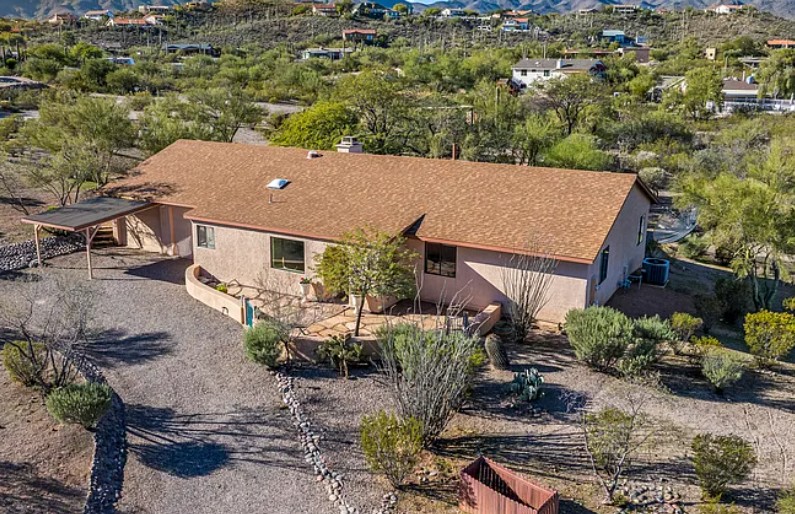
As the roofing contractor serving this part of Tucson, we’ve done roof repair and roof inspection work on homes scattered along the roads leading to Tucson Mountain Park Rifle & Pistol Range for years now. The houses out here aren’t cookie-cutter subdivisions. You’ll find a mix of older ranch-style builds with flat roofs, some custom homes with concrete tile, and a handful of manufactured homes on larger lots. Each one handles the desert differently.
A few things make roofing in the Tucson Mountain Park area its own challenge:
- Desert vegetation grows right up against rooflines. Palo verde branches and mesquite debris collect in valleys and around evaporative cooler penetrations.
- Many homes sit on unpaved or semi-rural lots, so dust buildup on roof coatings is heavier than in central Tucson neighborhoods.
- Flat and low-slope roofs are common out here, and standing water after a monsoon downpour can find every weak spot in an aging elastomeric roof coating.
- The elevation change near Gates Pass creates stronger wind gusts than you’d feel closer to downtown.
That wind is real. It peels back loose tile and lifts shingle tabs that have already been softened by UV exposure. And the thermal cycling out here is relentless. Daytime surface temps on a flat roof can hit 160 degrees, then drop 50 degrees overnight. Sealants around pipe boots and cooler mounts crack faster than most homeowners expect.
Homes near the rifle range tend to sit on bigger parcels with more open sky exposure. No shade from neighboring structures. That means the entire roof surface takes full sun all day, every day. A silicone roof coating or elastomeric roof coating holds up well in that kind of environment, but only if it’s applied right and inspected regularly. We see coatings fail early when they were put on too thin or over surfaces that weren’t prepped.
One thing we run into a lot out here is homeowners who haven’t had a roof inspection since they bought the place. The area’s quiet. Feels removed from the city. People don’t think about their roof until a brown spot shows up on the ceiling after July’s first big storm. By then, the underlayment’s already compromised.
David has driven these roads since he was a kid. He knows what the Sonoran Desert does to a roof that gets ignored. But he also knows that not every call needs a full roof replacement. Sometimes a targeted tile roof repair or a fresh coat on a flat roof buys you another decade. That’s the honest assessment you’ll get from us.
If your home sits close to Tucson Mountain Park Rifle & Pistol Range and your roof hasn’t been looked at in a few years, it’s worth a call. We’ll tell you what it needs.
How Our Team Reaches the Tucson Mountain Park Range Area
Our shop sits at 227 E Valencia Rd on the south side of Tucson. Getting out to homes close to the range means heading west and north, and we’ve got the route down cold.
- We head west on Valencia Rd toward the interstate.
- Jump on I-19 North briefly, then merge onto Ajo Way (State Route 86) heading west.
- Follow Ajo Way past the San Xavier District and through the stretch where the desert opens up south of Tucson Mountain Park.
- Turn north on Kinney Road. That’s the main artery into the park area, and it takes us right past the range and into the neighborhoods that sit along the eastern edge of the Tucson Mountains.
The whole drive runs about 30 to 35 minutes on a normal morning. Monsoon season can slow things down on Kinney Road if there’s been a wash crossing, but the alternate cuts through the area well enough to stay on schedule.
We’re out on Kinney Road regularly. The homes scattered between the Arizona-Sonora Desert Museum turnoff and the Tucson Mountain Park Rifle & Pistol Range keep our crews busy, especially after summer storms roll through and knock loose tiles or peel back flashing around swamp cooler penetrations. And because these properties sit right against open desert, wind-driven debris hits roofs harder here than in more sheltered parts of Tucson.
One thing about working near the range: the roads are quieter out here, fewer traffic lights, more two-lane stretches through saguaro country. That means our crew can get loaded trucks in and out without the stop-and-go hassle you’d deal with closer to midtown. We can stage materials on-site earlier in the morning, which matters when summer heat makes afternoon roof work brutal. Steep tile roofs and slick, sun-baked surfaces on these desert homes carry real documented risks of falls from height, which is part of why our crews plan roof access and footing carefully on every job out here.
But the flip side is that some of these properties sit on longer driveways off the main road. Gravel access, sometimes unpaved. We plan for that. Our team knows which lots need a different approach for material delivery so we don’t tear up your yard getting shingles or tile pallets to the house.
David drives this route himself for estimates. He’s not sending someone who’s never been past the trailhead at Gates Pass. He knows the area, knows the housing stock along Kinney and the side roads that branch off toward the foothills. So when you call, you’re talking to someone who’s stood on roofs in your neighborhood and seen what the Tucson Mountain Park environment does to them.
If you’re closer to the Starr Pass side or down near the Old Tucson area, the route barely changes. Same general path west on Ajo, same turn north on Kinney. We group jobs in the Tucson Mountain Park Rifle & Pistol Range area together when we can, which keeps our response time short for roof inspections and follow-up visits.
What Low-Density Desert Homes Need From a Roof
Properties close to Tucson Mountain Park Rifle & Pistol Range sit on bigger lots than most Tucson neighborhoods. More space between houses means more exposed roof surface catching direct sun all day. No shade from a neighbor’s two-story. No tall trees blocking UV. Just open Sonoran sky hitting every square foot of your roof from sunrise to sunset.
That changes what a roof needs to survive out here.
Homes in this stretch west of the Tucson Mountains deal with a few things that denser neighborhoods don’t:
- Full-exposure UV degradation on coatings and underlayment, with no shade relief from adjacent structures
- Wind-driven dust and sand from the open desert scrubland around the park, grinding into tile surfaces and clogging scuppers on flat roofs
- Monsoon runoff patterns that hit harder on sloped desert lots where drainage isn’t always straightforward
- Evaporative cooler penetrations on older homes, which are one of the most common leak sources we see in this part of Tucson
We’re out in the Tucson Mountain Park area regularly. The homes along Gates Pass Road and scattered through the foothills west of Kinney Road tend to be a mix of flat-roof and low-slope designs. Many have elastomeric or silicone roof coatings that need reapplication sooner than homeowners expect. That constant UV exposure breaks down even quality coatings faster than it would on a shaded midtown roof.
And the dust is real. Desert lots with native landscaping don’t trap debris the way a grass yard does. Instead it blows straight onto your roof. Sand collects in valleys and around penetrations, it holds moisture during monsoon season, and that moisture sits against flashing and sealant joints. Over time those joints fail. We’ve pulled back tile on homes near the range and found underlayment that looked ten years older than it was.
Flat roof repair is a big part of what we do out here. Low-slope roofs on desert properties need clean scuppers and functioning drains before July hits. One clogged drain during a monsoon downpour can pond water fast. Ponding leads to leaks, leaks lead to interior damage. It’s a simple sequence that’s easy to prevent with a roof inspection before the wet season starts.
But not every roof out here needs a full replacement. That’s something we tell people straight up. A lot of times a roof coating or targeted tile roof repair handles the problem. David comes out personally to look at what’s going on. No sales pitch, just an honest read on what your roof needs given how exposed these desert properties are.
So if your home sits on one of those open lots close to the range, the main thing to know is this: your roof works harder than most. More sun, more wind, more thermal cycling between 110-degree afternoons and 75-degree nights. That daily expansion and contraction stresses every seam and seal on your roof. Keeping up with roof maintenance out here isn’t optional — it’s the difference between a small repair now and a big problem after monsoon season.